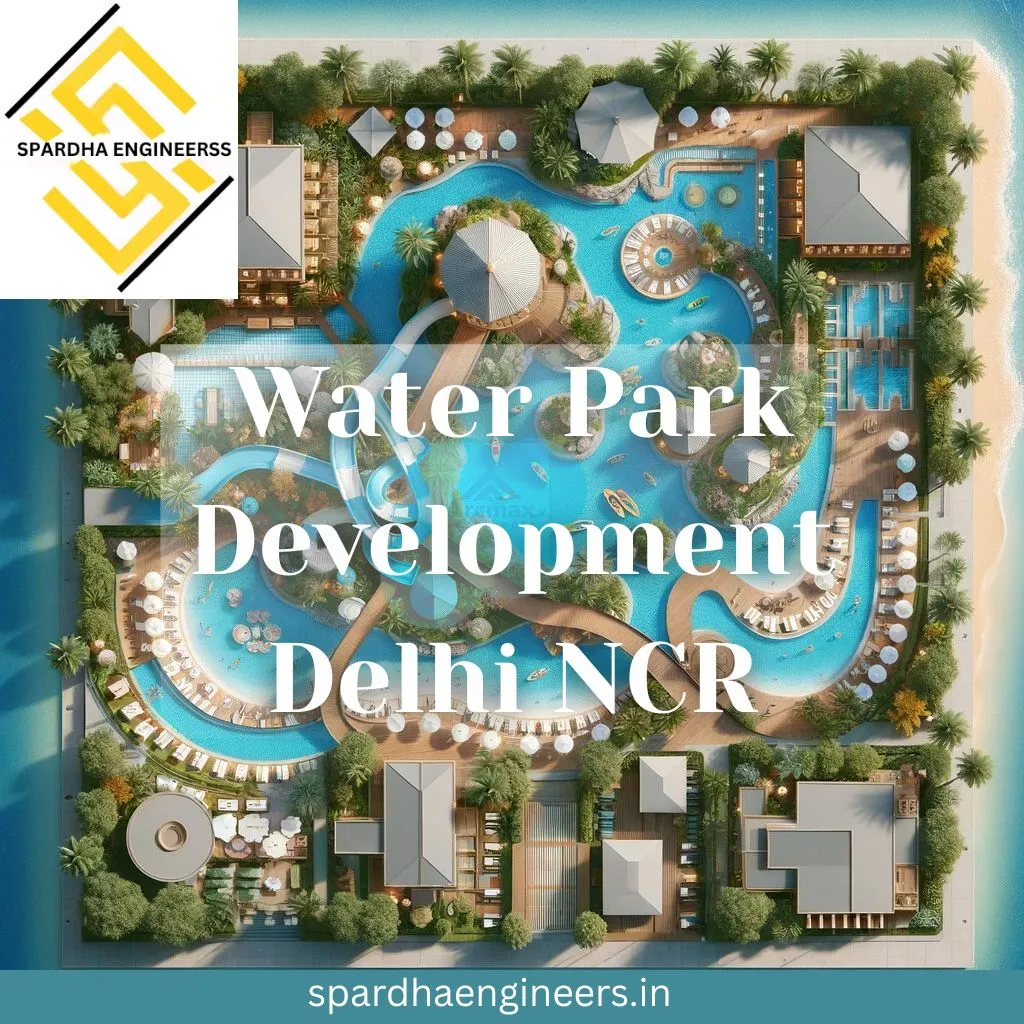
Delhi NCR Water Park Development: Complete Guide
-

- by spardhaengineers,
- March 02, 2026
- in business,
Delhi NCR has emerged as one of the fastest-growing leisure and entertainment markets in India, driven by rising disposable incomes, booming urbanisation, and extreme summer heat that often crosses 45 °C. This climatic and economic landscape creates ideal conditions for the development of water parks — not just as recreational spots but as highly profitable business ventures. According to the original article on Spardha Engineers, water park development here is attracting significant investor attention due to its strong revenue potential.
In this guest post, we will dive deep into why water parks are booming in Delhi NCR, key steps in development, the economic potential, and best practices for success.
Why Water Parks Are a Smart Investment in Delhi NCR
Climate & Demand Dynamics
The extreme summers in Delhi NCR (including Noida, Gurugram, Ghaziabad, and Faridabad) create consistent demand for cool and fun water-based entertainment. Families, youth groups, and tourists all look for options that offer relief from heat and an exciting day out — making water parks highly attractive year after year.
Growing Urban Population
With rapid urbanisation and increasing disposable income, leisure preferences are shifting toward experiential destinations. Water parks offer a mix of thrill, relaxation, and social interaction that traditional parks cannot match. This ensures repeat visits and strong season-on-season footfall.
Multi-City Catchment
Being located in the NCR inherently offers access to a huge population base across different cities. Visitors from neighbouring states additionally boost weekend and holiday traffic.
Core Stages of Water Park Development
Developing a water park is a structured process that goes far beyond simply installing a few slides. Experienced developers focus on thorough planning, safety, and future scalability.
1. Conceptualisation and Theme Planning
At the very start, developers create a conceptual design that defines the park’s theme, features, layout, and customer flow. Top parks often employ 3D design visualization tools to simulate visitor experience and optimise ride placement.
This stage also involves:
- Market research to know local preferences
- Feasibility analysis of rides and attractions
- Initial cost estimation
2. Civil & Infrastructure Development
Once the design is finalised, the civil and structural work begins. This includes land grading, foundation building, drainage planning, and building infrastructure for water circulation systems. All of these steps must adhere to strict construction and safety norms.
Key components include:
- RCC foundations & reinforced structures
- Filtration & water treatment systems
- Utilities for power, safety, and guest services
3. Installation of Rides and Features
At this stage, water slides, wave pools, splash zones, lazy rivers, and specialized attractions like kids’ play zones are installed. Top parks balance thrill rides with family-friendly attractions for broader market appeal.
Special care should be taken to ensure:
- Ride safety certifications
- Accessibility for all age groups
- Compliance with national regulation standards
4. Safety Testing & Staff Preparation
Before opening to the public, a comprehensive safety audit is crucial. Water quality tests, ride inspections, life-guard readiness, and emergency procedures all form part of this phase.
Staff training topics include:
- Customer service excellence
- Emergency response protocols
- Daily maintenance checks
Economic Potential & Revenue Streams
Multiple Revenue Channels
Water parks benefit from a mix of income sources beyond ticket sales:
- Season passes and memberships
- Food & beverage outlets
- Merchandise sales
- Brand partnerships & sponsorships
- Corporate & school day bookings
This diversified revenue structure makes water parks resilient even in off-peak months.
Marketing Strategies That Work
To maximise ROI and build brand recall, operators should adopt modern promotional approaches:
- Digital Advertising (Google Ads, social platforms)
- Local Partnerships with hotels and travel agencies
- Festive Packages during holidays
- Customer Loyalty Programs
Strong online presence helps attract both locals and tourists.
Challenges and How to Overcome Them
Weather Dependency
Water parks are seasonal in nature, especially in regions with cold winters. To boost year-round profitability, some parks install heated pools, indoor water features, and themed events.
Maintenance & Safety
High water usage demands strict maintenance. Incorporating advanced filtration and real-time monitoring systems improves water quality and visitor trust.
Conclusion
Water park development in Delhi NCR is more than just a leisure project — it’s a strategic business opportunity with multiple revenue pathways. With the right planning, theme, and operational excellence, these parks can become landmark attractions that draw crowds year after year.
Investors and developers should partner with experienced engineers and designers to ensure quality execution — from concept to launch and beyond.
0 Comments:
Leave a Reply