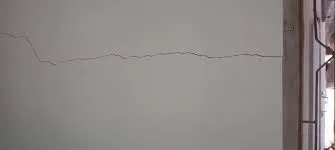
What Are the Most Common Causes of Cracks in Buildings?
-

- by rabeccadavid,
- May 01, 2026
- in business,
Cracks in buildings are a common concern for homeowners, builders, and property managers. While some cracks are harmless and purely cosmetic, others can indicate deeper structural problems. Understanding the root causes of these cracks is essential to ensure safety, durability, and long-term performance of any structure.
In most cases, cracks do not appear suddenly. They develop over time due to a combination of environmental factors, material behavior, design issues, and construction practices.
Types of Cracks in Buildings
Before identifying the causes, it’s important to understand that cracks can vary in type and severity.
- Hairline cracks: Thin and usually harmless, often caused by surface shrinkage
- Vertical cracks: Common in walls, often due to settling
- Diagonal cracks: May indicate structural stress or foundation issues
- Horizontal cracks: More serious, often linked to structural pressure
The type of crack often provides clues about its underlying cause.
1. Settlement of Foundation
One of the most common reasons for cracks is foundation settlement. After construction, the soil beneath a building may compress or shift, causing the structure to settle unevenly.
This can lead to:
- vertical or diagonal cracks in walls
- gaps around doors and windows
- uneven floors
Proper soil testing and foundation design can significantly reduce this risk.
2. Temperature Changes and Thermal Movement
Buildings expand and contract with temperature changes. Materials like concrete and steel react to heat and cold, leading to movement over time.
If this movement is not properly accommodated, it can result in cracks, especially in:
- long walls
- exposed surfaces
- roofs and slabs
Expansion joints are typically used to manage this movement.
3. Shrinkage of Concrete
Concrete naturally shrinks as it dries and hardens. This process is known as shrinkage.
If the shrinkage is excessive or not controlled, it can cause:
- fine surface cracks
- cracks in slabs and walls
Proper curing and mix design are essential to minimize shrinkage-related cracks.
4. Poor Construction Practices
Construction quality plays a major role in the durability of a building.
Common issues include:
- improper mixing of materials
- inadequate curing of concrete
- incorrect placement of reinforcement
These mistakes weaken the structure and make it more prone to cracking.
5. Overloading of Structural Elements
Every structure is designed to carry a specific load. When that load is exceeded, stress builds up in structural elements.
This can happen due to:
- adding extra floors
- placing heavy equipment without consideration
- changes in building usage
Overloading can lead to cracks in beams, columns, and slabs, and in severe cases, structural failure.
6. Moisture and Water Infiltration
Water is one of the biggest enemies of buildings.
Moisture can enter through:
- leaks in plumbing
- poor drainage systems
- cracks in external walls
Over time, water weakens materials and can cause expansion, corrosion, and further cracking.
7. Soil Movement and Environmental Factors
Soil conditions can change due to:
- seasonal moisture variations
- nearby construction activity
- erosion
Expansive soils, in particular, swell when wet and shrink when dry, causing movement in the foundation. This movement often results in cracks in walls and floors.
8. Lack of Proper Design and Coordination
Sometimes, cracks occur because the building was not properly designed or coordinated.
For example:
- insufficient reinforcement in critical areas
- poor alignment between structural and MEP systems
- lack of expansion joints
Modern engineering approaches focus on integrated design to reduce such issues. In practice, engineering teams like Engides emphasize coordination between different systems to improve overall building performance and minimize defects like cracking.
When Should You Be Concerned?
Not all cracks are dangerous, but some signs should not be ignored:
- cracks wider than a few millimeters
- diagonal or zigzag cracks
- cracks that keep growing over time
- cracks near structural elements like columns and beams
If you notice these, it’s best to consult a professional engineer.
Prevention and Best Practices
Preventing cracks starts with proper planning and execution.
Key steps include:
- conducting soil testing before construction
- using quality materials
- ensuring proper curing of concrete
- designing for thermal movement
- maintaining proper drainage systems
Regular inspection and maintenance also play an important role in preventing minor cracks from becoming major problems.
Conclusion
Cracks in buildings are often a result of multiple factors working together rather than a single issue. While some cracks are harmless, others can signal serious structural concerns.
Understanding their causes helps in early detection, proper repair, and long-term prevention. With good design, quality construction, and regular maintenance, most cracking issues can be minimized, ensuring a safer and more durable structure.
0 Comments:
Leave a Reply