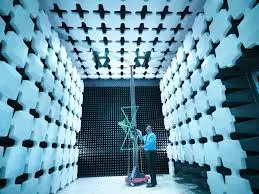
Understanding Compliance Testing: Ensuring Standards and Safety
-

- by adam.zampa,
- February 02, 2026
- in business,
In today’s world, businesses, products, and systems must meet specific standards to ensure safety, quality, and legality. This is where compliance testing comes in—a critical process that verifies whether an organization, product, or service adheres to regulatory requirements, industry standards, or internal policies.
What is Compliance Testing?
Compliance testing, also called conformance testing, is the process of evaluating a product, system, or process to ensure it meets defined rules, regulations, or standards. This could include safety regulations, software security protocols, environmental standards, or industry-specific guidelines.
For businesses, compliance testing is not just about avoiding penalties—it is about building trust, ensuring safety, and maintaining reputation.
Why is Compliance Testing Important?
-
Legal and Regulatory Adherence
Many industries, like healthcare, finance, and manufacturing, are governed by strict regulations. Compliance testing ensures that companies follow these laws, avoiding fines, lawsuits, or operational shutdowns. -
Safety and Risk Reduction
Products that fail compliance tests can pose safety risks. Testing prevents faulty, dangerous, or non-standard products from reaching customers. -
Quality Assurance
Compliance testing improves product reliability and performance. It ensures consistency and adherence to best practices. -
Customer Trust
Customers and stakeholders are more likely to trust companies that demonstrate adherence to recognized standards, leading to better business credibility.
Types of Compliance Testing
The type of compliance testing depends on the field and the regulations involved. Common categories include:
-
Software Compliance Testing: Ensures software meets legal, security, and functional standards, such as GDPR, HIPAA, or ISO protocols.
-
Product Compliance Testing: Tests consumer goods for safety standards, such as CE marking in Europe or FCC certification in the US.
-
Process Compliance Testing: Verifies that internal business processes follow company policies or industry guidelines.
-
Environmental Compliance Testing: Checks adherence to environmental laws, such as waste management and emissions standards.
How Compliance Testing Works
Compliance testing generally follows these steps:
-
Requirement Analysis: Understanding the specific standards or regulations applicable.
-
Planning and Documentation: Creating a testing plan and documenting necessary resources and procedures.
-
Testing Execution: Performing tests according to defined methods to assess compliance.
-
Evaluation and Reporting: Analyzing results, identifying non-compliance, and preparing reports.
-
Corrective Action: Implementing changes to address any gaps or violations.
Challenges in Compliance Testing
-
Constantly Changing Regulations: Laws and standards frequently update, making ongoing testing essential.
-
Complexity of Standards: Global businesses must navigate multiple regulations across different regions.
-
Resource Intensive: Compliance testing can require specialized tools, skilled personnel, and time.
Conclusion
Compliance testing is more than a legal obligation—it is a step in ensuring safety, reliability, and trust. Organizations that prioritize compliance testing not only protect themselves from penalties but also create a culture of accountability, quality, and excellence.
In an era of rigorous standards and vigilant regulators, understanding and implementing thorough compliance testing isn’t optional—it’s essential.
0 Comments:
Leave a Reply