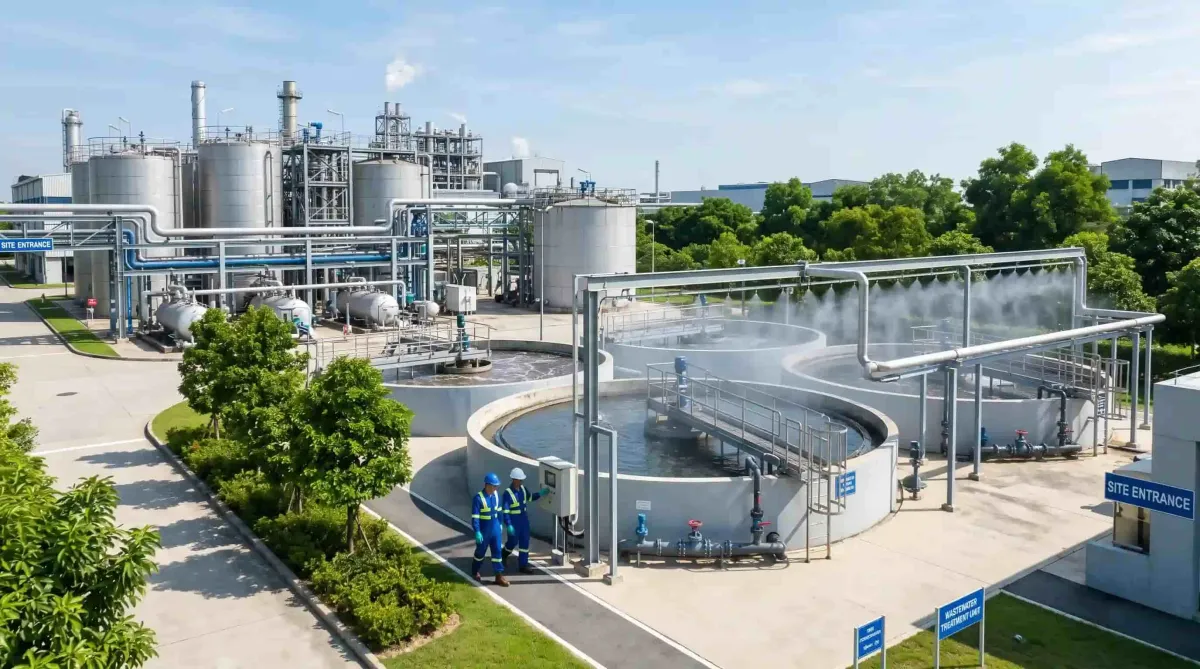
Bioculture for STP & ETP Systems: Natural Solution for Efficient Waste
-

- by madonabrigget,
- April 27, 2026
- in business,
Introduction
Bioculture is an effective and eco-friendly way to make sewage treatment plants (STPs) and effluent treatment plants (ETPs) work better. Microorganisms in these systems break down organic pollutants in wastewater.
But treatment plants often have problems like low microbial activity, too much sludge buildup, bad smells, and performance that isn't always consistent. Bioculture solutions help fix these problems by improving the biological treatment process and keeping the microbial environment in balance.
What Is Bioculture for STP & ETP Systems?
Bioculture is a mix of helpful microorganisms that break down organic matter in wastewater. These microorganisms eat things like oils, grease, food waste, and chemicals and turn them into simpler, less harmful things.
Bioculture boosts microbial activity, speeds up the breakdown of waste, and makes the treatment process more efficient when added to STP and ETP systems.
Key Benefits of Bioculture
1. Improves Treatment Efficiency
Enhances microbial activity for faster breakdown of organic pollutants.
2. Reduces Sludge Formation
Efficient degradation minimises sludge buildup and reduces maintenance needs.
3. Controls Foul Odours
Breaks down odour-causing compounds, improving air quality.
4. Enhances Water Quality
Improves treated water quality for safe discharge or reuse.
5. Eco-Friendly Solution
Reduces reliance on chemical treatments and supports sustainable wastewater management.
6. Stabilises System Performance
Maintains consistent results even under fluctuating wastewater conditions.
Applications of Bioculture
Bioculture for STP & ETP systems is widely used in:
- Residential apartments
- Commercial complexes
- Hotels and hospitality businesses
- Hospitals and healthcare facilities
- Industrial manufacturing units
- Food processing industries
- Textile and chemical industries
These sectors depend on efficient wastewater treatment systems for smooth operations.
How Bioculture Works
Bioculture works by introducing beneficial bacteria into wastewater systems. These bacteria produce enzymes that break down complex organic matter into simpler compounds such as water, carbon dioxide, and biomass.
This process improves pollutant removal, reduces sludge formation, and maintains a stable biological environment within the system. Regular use ensures consistent treatment performance.
Common Problems Solved by Bioculture
Bioculture helps address several operational challenges:
- Low microbial activity
- Slow degradation of organic waste
- Excess sludge buildup
- Foul odours
- Blockages caused by grease and solids
- Inconsistent treatment performance
By solving these issues, bioculture improves overall system efficiency.
Best Practices for Using Bioculture
To achieve optimal results, follow these practices:
- Use bioculture regularly as per recommended dosage
- Maintain proper aeration levels
- Monitor wastewater load and system conditions
- Avoid excessive use of harmful chemicals
- Ensure regular maintenance
These practices help maximise effectiveness.
Conclusion
Bioculture for STP & ETP systems is a reliable and cost-effective solution for improving wastewater treatment efficiency. It helps reduce sludge, control odours, enhance water quality, and support eco-friendly operations.
Amalgam Biotech provides advanced bioculture solutions designed to support efficient and sustainable wastewater treatment systems.
By adopting bioculture-based solutions, industries and facilities can improve operational performance, reduce environmental impact, and ensure long-term system reliability.
0 Comments:
Leave a Reply