Why Expanded Perlite Is Essential for Modern Insulation Solutions
-

- by Amol Minechem Limited,
- February 11, 2026
- in business,
In today’s construction landscape, insulation plays a critical role in improving energy efficiency, enhancing indoor comfort, and meeting sustainability goals. Buildings are expected to maintain consistent indoor temperatures, reduce energy consumption, and comply with strict environmental standards. As a result, the demand for advanced insulation materials has grown significantly. Modern insulation solutions must be lightweight, durable, fire-resistant, and environmentally responsible. Among the various materials available, expanded perlite has emerged as a highly effective option that meets these evolving requirements.
What Makes It Unique as an Insulation Material
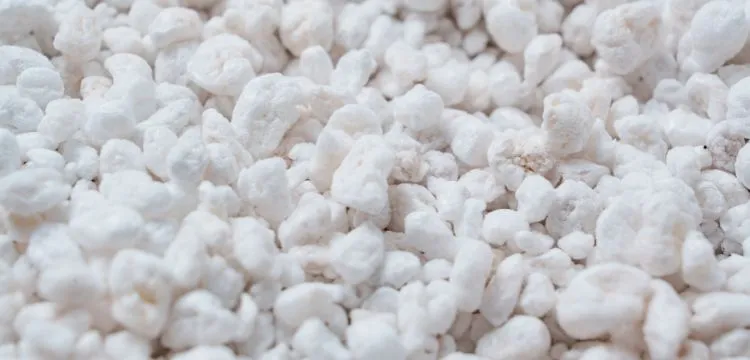
This naturally occurring volcanic material undergoes a heating process that causes it to expand into lightweight, porous granules. The expansion process creates millions of tiny air pockets within each particle. These air pockets are the key to its insulating capability, as trapped air significantly reduces heat transfer.
Unlike many synthetic insulation products, this material is inorganic and free from harmful chemicals. Its structure provides excellent thermal resistance without compromising structural integrity. Because it is lightweight, it adds minimal load to buildings, making it ideal for both new construction and renovation projects. The combination of thermal efficiency, light weight, and safety makes it a standout choice in modern insulation systems.
Superior Thermal Performance
Effective insulation depends largely on its ability to resist heat flow. The porous structure of this material provides outstanding thermal resistance by minimizing conduction, convection, and radiation. The trapped air within its particles slows down heat transfer, helping buildings stay cooler in hot climates and warmer in colder environments.
This improved temperature regulation reduces reliance on heating and cooling systems, leading to lower energy consumption. In both residential and commercial buildings, better insulation translates into significant energy savings over time. As energy costs continue to rise, materials that offer long-term efficiency are increasingly valued.
Fire Resistance and Safety Benefits
Safety is a top priority in construction, particularly when it comes to fire protection. One of the most notable advantages of this insulation material is its non-combustible nature. Since it is derived from volcanic glass, it does not burn or release toxic fumes when exposed to high temperatures.
In fire-rated wall systems, roofing assemblies, and industrial insulation applications, this feature provides an added layer of protection. It helps slow the spread of flames and maintains structural stability during fire incidents. These properties make it a reliable choice for projects that demand high safety standards.
Moisture Control and Durability
Moisture intrusion can compromise insulation performance and lead to structural damage, mold growth, and reduced indoor air quality. This material offers excellent moisture resistance due to its inorganic composition. It does not rot, decay, or attract pests, ensuring long-term durability even in humid or damp conditions.
Its resistance to water absorption also helps maintain consistent thermal performance over time. In roofing systems and cavity wall insulation, this reliability reduces maintenance needs and extends the lifespan of the building envelope. Durability combined with performance stability is essential for modern construction projects seeking lasting value.
Lightweight and Easy Application
Weight is a crucial consideration in both structural design and installation efficiency. Because this material is extremely lightweight, it is easy to transport, handle, and apply. It can be used as loose-fill insulation, integrated into plaster and masonry mixes, or incorporated into prefabricated insulation panels.
The reduced weight places less stress on building structures while simplifying installation processes. Contractors benefit from faster application times and improved workability. This flexibility makes it suitable for a wide range of projects, from residential homes to large industrial facilities.
Sustainability and Environmental Advantages
Sustainable construction practices are now central to building design. Insulation materials must contribute to energy efficiency while minimizing environmental impact. This naturally sourced material aligns well with green building objectives.
It is non-toxic, recyclable, and free from harmful emissions. Its long service life reduces the need for frequent replacement, lowering overall resource consumption. Additionally, the energy savings achieved through improved thermal performance contribute to reduced carbon emissions. For projects aiming to meet environmental certifications and sustainability benchmarks, such insulation solutions provide meaningful benefits.
Versatility Across Applications
Modern insulation demands versatility. This material is used in a wide array of applications, including cavity wall insulation, roof insulation boards, fireproofing systems, cryogenic insulation, and industrial equipment protection. Its adaptability allows it to perform effectively in both high-temperature and low-temperature environments.
In industrial settings, it is commonly used to insulate tanks, pipes, and boilers. In commercial buildings, it supports energy-efficient wall and ceiling assemblies. Its broad range of uses highlights its importance as a multi-functional insulation solution.
Cost-Effectiveness Over Time
While initial material costs are important, long-term value often determines the best insulation choice. The durability, low maintenance requirements, and energy-saving capabilities of this material contribute to significant cost savings throughout a building’s lifecycle.
Reduced energy bills, minimal repair needs, and enhanced building longevity create a strong return on investment. In addition, its compatibility with various construction methods allows builders to integrate it without major design changes, further optimizing project costs.
Meeting the Demands of Modern Construction
Today’s buildings must balance performance, safety, sustainability, and cost efficiency. Insulation materials that fail in any of these areas can compromise overall building quality. With its exceptional thermal properties, fire resistance, moisture durability, lightweight nature, and environmental advantages, this material addresses all these critical requirements.
As energy regulations become stricter and sustainability goals more ambitious, the need for reliable and efficient insulation continues to grow. By delivering consistent performance across diverse applications, expanded perlite remains an essential component in modern insulation solutions, supporting the creation of safer, more energy-efficient, and environmentally responsible buildings.
0 Comments:
Leave a Reply