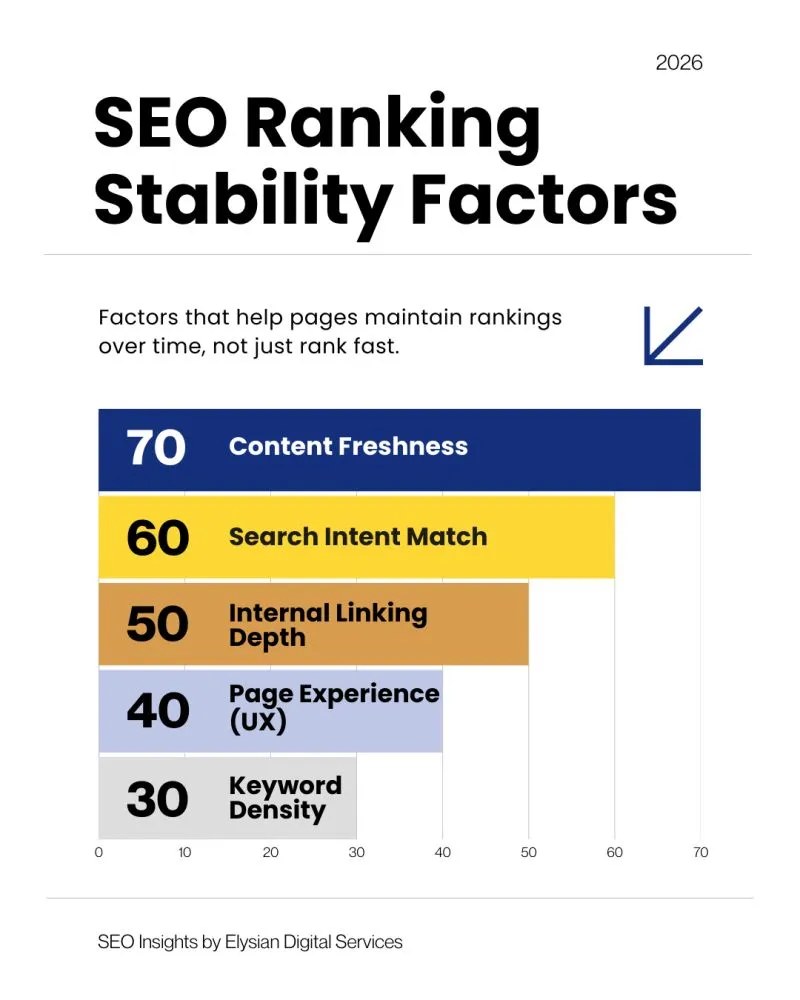
What Is Ranking Stability and Why Some Pages Fluctuate
-

- by hazelthomas,
- February 08, 2026
- in business,
Understand What Ranking Stability Is and Why Some Pages Fluctuate
Ranking stability is one of the most important yet often misunderstood aspects of search engine optimisation. Many website owners focus on achieving high rankings but overlook the challenge of maintaining them consistently. A page that appears on the first page today may drop tomorrow, even without any visible changes. Understanding ranking stability helps explain why this happens and how search engines evaluate content over time.
Search engines aim to deliver reliable and relevant results to users. Rankings are not fixed positions but dynamic outcomes influenced by multiple signals. Some pages remain stable for years, while others fluctuate frequently. The difference lies in how well a page aligns with user intent, content quality standards, and evolving search algorithms.
Understanding Ranking Stability in SEO
Ranking stability refers to a webpage’s ability to hold a relatively consistent position in search results over a long period. Stable rankings indicate that a page consistently satisfies user queries and meets search engine quality expectations.
Stability does not mean rankings never change. Minor movements are normal as search engines test results and adjust relevance. However, stable pages avoid sharp drops or unpredictable swings. These pages often demonstrate strong topical relevance, clear intent alignment, and reliable engagement signals.
Search engines reassess pages continuously. Stability is earned through long term consistency rather than short term optimization tactics.
Why Ranking Fluctuations Are a Normal Part of Search
Fluctuations occur because search engines are constantly refining their understanding of content and user behavior. Algorithm updates, competitor improvements, and changing search intent all contribute to movement.
Search engines may temporarily adjust rankings to test how users respond to different results. If users engage positively with a new ranking, it may become permanent. If not, the page may return to its previous position.
This testing process ensures that search results improve over time. Fluctuations are not penalties by default but part of ongoing evaluation.
The Role of Search Intent in Ranking Stability
Search intent plays a major role in whether a page remains stable. If content matches the intent behind a query, it is more likely to hold its position.
Problems arise when intent shifts. A query that once required basic information may now demand in depth explanations or updated context. Pages that fail to adapt may lose relevance even if they were once authoritative.
Intent alignment requires understanding why users search, not just what they search. Pages that evolve with intent changes tend to remain stable longer.
Content Quality and Its Impact on Stability
High quality content supports ranking stability by consistently meeting user expectations. Quality is measured through clarity, depth, accuracy, and usefulness.
Thin content or overly repetitive explanations struggle to remain stable because they fail to provide lasting value. Search engines prefer pages that answer questions thoroughly without unnecessary filler.
Quality content also earns natural engagement signals. When users read, scroll, and explore related sections, it reinforces relevance and trust.
Content Freshness Versus Content Consistency
Freshness and consistency must work together. Content that is never updated may become outdated, while content that changes too frequently may confuse search engines.
Stable pages are often updated thoughtfully rather than aggressively. Updates focus on accuracy, clarity, and relevance instead of rewriting entire sections unnecessarily.
Consistency helps search engines understand a page’s purpose over time. Sudden changes in focus or structure can disrupt this understanding and lead to fluctuations.
Technical Factors That Influence Ranking Stability
Technical performance plays a quiet but significant role in ranking stability. Issues such as slow loading, crawling errors, or inconsistent indexing can cause unexpected drops.
Search engines rely on technical signals to access and evaluate content efficiently. When these signals fluctuate, rankings may follow.
Maintaining clean site architecture, proper indexing, and reliable performance supports long term stability even when content remains unchanged.
Competition and Ranking Volatility
Competition is another major reason pages fluctuate. When competitors improve their content, structure, or relevance, search engines may reassess rankings.
A stable page today may face new challenges tomorrow if competing pages better satisfy user needs. Stability requires ongoing awareness of the competitive landscape.
This does not mean copying competitors. It means understanding what users value and ensuring content remains competitive in quality and clarity.
Algorithm Updates and Ranking Shifts
Algorithm updates are designed to improve result quality. Some updates target content quality, while others focus on relevance, trust, or user experience.
Pages that already align with search engine guidelines often remain stable through updates. Pages that rely on outdated practices may fluctuate significantly.
Stability is a sign of alignment with long term search principles rather than short term ranking tactics.
User Behavior Signals and Stability
User behavior provides feedback to search engines about content performance. Pages that consistently satisfy users tend to stabilize over time.
Negative patterns such as short visits combined with frequent returns to search results can signal dissatisfaction. Over time, these signals may lead to ranking drops.
Positive engagement does not guarantee immediate ranking gains, but it supports long term stability.
Internal Linking and Topical Authority
Internal linking helps search engines understand topic relationships within a site. Pages supported by relevant internal links often show greater stability.
Topical authority strengthens when related content reinforces a central theme. This consistency reduces volatility by clarifying relevance.
Removing or altering internal links without strategy can weaken these signals and cause fluctuations.
Why New Pages Fluctuate More Than Established Ones
New pages often experience more volatility because search engines are still evaluating their relevance and usefulness. Initial rankings are often provisional.
As data accumulates, search engines adjust positions based on real user interaction. Over time, strong pages settle into more stable positions.
Patience is essential when evaluating new content. Early fluctuations are normal and do not indicate failure.
EEAT and Long Term Ranking Stability
Experience, expertise, authoritativeness, and trustworthiness contribute heavily to ranking stability. Pages that demonstrate these qualities tend to retain visibility longer.
Clear explanations, accurate information, and consistent tone build trust. Over time, this trust translates into stable engagement patterns.
Many industry discussions around SEO Agencies in USA highlight stability as a result of focusing on expertise and user understanding rather than chasing trends.
Over Optimization and Its Risks
Over optimization can destabilize rankings. Excessive keyword use, forced internal links, or constant content changes may trigger reassessment.
Search engines aim to protect users from manipulation. Pages that appear overly optimized may fluctuate as algorithms reevaluate intent and authenticity.
Natural language and user focused structure support stability better than aggressive optimization.
Building a Strategy for Ranking Stability
A stability focused strategy emphasizes quality, relevance, and consistency. Content should be reviewed periodically for accuracy and intent alignment.
Technical health should be monitored to prevent hidden issues. Internal linking should support topic clarity rather than volume.
This approach reduces volatility by aligning with how search engines measure value over time.
Long Term Perspective on Ranking Performance
Ranking stability is best viewed over months, not days. Daily changes rarely reflect meaningful trends.
Stable growth comes from maintaining trust with both users and search engines. Short term fluctuations matter less than long term consistency.
Pages that remain helpful, clear, and reliable tend to stabilize naturally.
Conclusion
Ranking stability reflects how well a page aligns with search intent, content quality standards, and user expectations over time. Fluctuations are a normal part of search evaluation, influenced by competition, behavior signals, and algorithm refinement. Pages that focus on clarity, relevance, and consistency are more likely to retain their positions. Instead of reacting to every movement, understanding stability helps build a long term SEO foundation that withstands change.
FAQs (Frequently Asked Questions)
What is ranking stability in SEO?
Ranking stability refers to a webpage’s ability to maintain a consistent position in search results over time. Stable rankings indicate that a page consistently meets user needs and search engine quality standards. Minor fluctuations are normal, but large drops usually signal issues with relevance, quality, or technical performance.
Why do some pages fluctuate more than others?
Pages fluctuate more when search engines are uncertain about their relevance or usefulness. New pages, thin content, or pages with shifting intent often experience volatility. Strong content with clear purpose and consistent engagement tends to stabilize faster.
Are ranking fluctuations always a negative sign?
Not always. Temporary fluctuations often occur as search engines test different results. If user engagement remains positive, rankings may stabilize or improve. Only sustained declines usually indicate underlying problems that need attention.
How long does it take for rankings to stabilize?
Stabilization time varies depending on content quality, competition, and user behavior. New pages may take weeks or months to settle. Established pages usually stabilize faster unless major changes or updates occur.
Can content updates improve ranking stability?
Yes, thoughtful updates can improve stability when they enhance accuracy, clarity, and relevance. Updates should respect existing strengths and avoid unnecessary changes. When done correctly, updates reinforce trust and reduce long term volatility.
0 Comments:
Leave a Reply