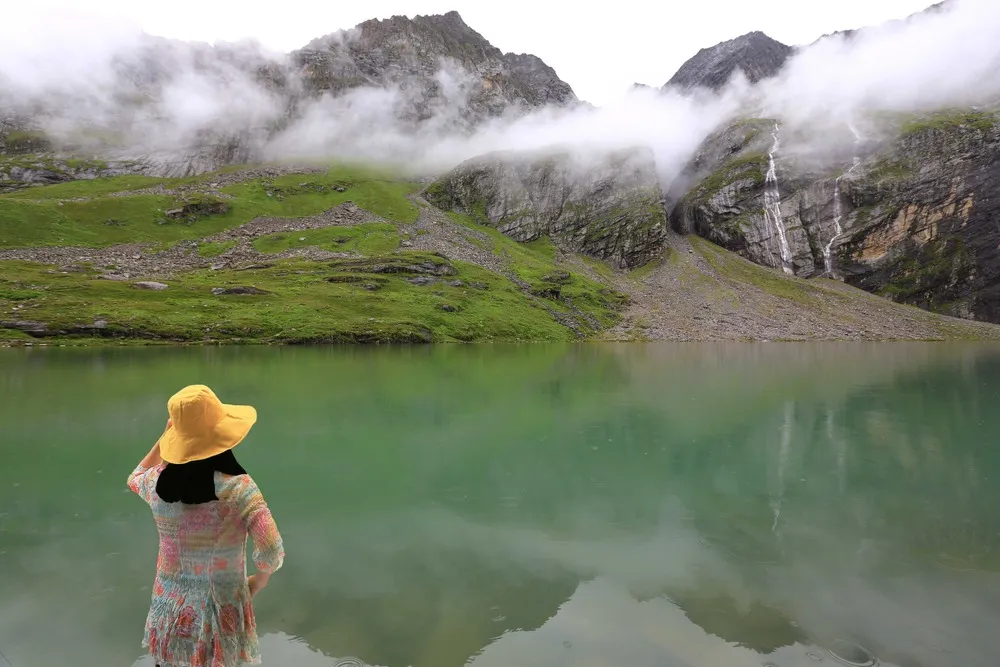
Valley of Flowers Best Time to Visit: Complete Guide
-

- by shubhamagarwal,
- January 29, 2026
- in travel,
If you’re planning a trip to the Valley of Flowers, timing is everything. I’ve learned this the hard way. The valley doesn’t stay open all year, and visiting even a couple of weeks too early or too late can completely change your experience. This guide is straight to the point, based on real trekking conditions, not guesswork. If you want to see the valley at its best—alive with color, fresh air, and snow-fed streams—this will help you choose the right window.
Where the Valley of Flowers Is and Why Timing Matters
The Valley sits high in Uttarakhand’s Chamoli district, inside the Nanda Devi Biosphere Reserve. At over 3,600 meters above sea level, it remains buried under snow for nearly half the year. That’s why timing matters more here than most treks. The valley only opens when the snow melts enough to make the trail safe, and it closes before winter returns. Miss that window, and you miss the valley entirely.
Best Time to Visit Valley of Flowers (Quick Answer)
If you want the shortest, clearest answer: mid-July to mid-August is the best time to visit the Valley of Flowers. This is when the valley is fully open, the flowers are in full bloom, and the landscape looks exactly like the photos you’ve seen online. For fewer crowds and clearer skies, early September works well too, though the flowers start thinning out.
Month-by-Month Breakdown
June: Opening Month
The valley usually opens in early June. I wouldn’t recommend this month unless you’re okay with limited blooms. Snow still lingers on the higher sections, and the valley looks more green than colorful. That said, the trails are quieter, and the surrounding peaks look dramatic with snow patches. It’s more about landscapes than flowers.
July: Peak Bloom Begins
By mid-July, the transformation is obvious. Monsoon showers trigger the blooming cycle, and wildflowers start carpeting the valley. This is when I felt the valley truly came alive. Yes, it rains, but the colors after a fresh shower are worth it. July is ideal if flowers are your top priority.
August: Valley at Its Best
August is hands down the best month. The variety of flowers is at its peak—blue poppies, cobra lilies, daisies, and dozens of others. The valley feels dense, vibrant, and alive. Rain is still part of the deal, but trails are manageable, and the experience feels complete.
September: Calm and Clear
By September, flowers begin to fade, but the valley becomes calmer. The monsoon starts retreating, skies clear up, and mountain views improve. If you prefer fewer people and better visibility over dense blooms, early September is a solid choice.
Best Season for Trekking Experience
For me, the best trekking season is late July to early September. The trail conditions are stable, water sources are abundant, and the valley looks healthy. Earlier months feel rushed due to snow, while later months lose the floral charm. This middle window balances safety, beauty, and comfort.
Weather Conditions You Should Expect
Expect unpredictable mountain weather. Days are cool, temperatures hover between 10°C to 17°C, and nights can dip close to freezing. Rain is common in July and August, so waterproof gear isn’t optional. September brings drier days but colder mornings. If you prepare properly, the weather adds to the experience rather than ruining it.
When to Avoid VisitingValley
Avoid April, May, and late October onward. The valley is closed due to snow and unsafe trails. Even if you manage to reach nearby areas, the actual valley remains inaccessible. Planning outside the official season only leads to disappointment.
Best Time for Photography and Nature Lovers
If photography is your main goal, August mornings are perfect. Soft light, fresh blooms, mist rising from the valley—it’s unreal. For wildlife watchers, late July and early September offer better chances to spot butterflies and birds without heavy rain.
My Personal Recommendation
If I had to choose one window, I’d go with the first half of August. The valley feels complete—flowers, flowing streams, balanced weather, and enough fellow trekkers to keep the energy positive without feeling crowded. It’s the closest you’ll get to Valley you imagine before arriving.
Planning the Trek the Right Way
The trek isn’t technically difficult, but altitude and weather demand respect. Proper acclimatization, flexible planning, and local knowledge make a big difference. I noticed that trekkers who planned calmly enjoyed the valley more than those rushing timelines.
Guided vs Independent Trek: What I Noticed
While independent trekking is possible, I saw how having experienced local guidance helped many groups adapt to weather changes and trail conditions. I met trekkers traveling with The Searching Souls through a valley of flowers trek package—not in a loud or sales-driven way, but more like moving with people who genuinely understood the terrain. It showed in how calmly they adjusted plans during rain and navigated busy sections without stress. It didn’t feel like a tour at all; it felt informed and well-judged.
Final Thoughts
The Valley of Flowers isn’t about ticking off a destination. It’s about being there at the right time. Choose your dates wisely, respect the mountain rhythm, and don’t rush the experience. When timed right, the valley doesn’t just look beautiful—it feels alive.
0 Comments:
Leave a Reply