Types of AB Cables and Their Electrical System Benefits
In today’s world, electricity plays a very important role in our daily life. From homes and offices to factories and farms, almost everything depends on a safe and reliable power supply. To make sure electricity is delivered safely, we use different types of electrical cables. One of the most commonly used cables in power distribution systems is AB Cables. These cables are specially designed to improve safety, reduce power loss, and provide reliable performance in overhead electrical networks.
AB Cables are widely used in urban, rural, and industrial areas. They help in preventing accidents, minimizing power theft, and improving the overall quality of electricity supply. In this blog, we will explain what AB cables are, their types, how they work, their advantages, and their many benefits in electrical systems. The language is kept simple so that anyone can easily understand the topic, even without technical knowledge.
What Are AB Cables?
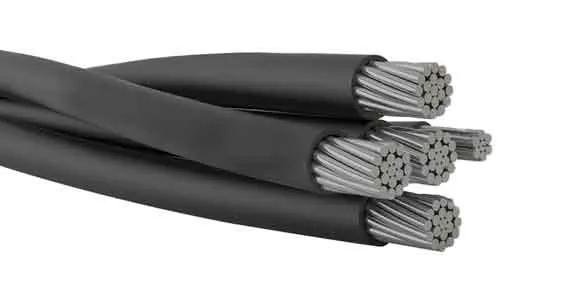
AB cables, also known as Aerial Bunched Cables, are a group of insulated conductors twisted or bundled together. These cables are mainly used for overhead power distribution. Unlike traditional bare conductors, AB cables are insulated, which makes them safer to use.
In normal overhead lines, bare conductors are exposed, which increases the risk of short circuits, electrical shocks, and power theft. AB cables solve these problems by using insulated wires that are tightly bundled. This design reduces the chance of direct contact, protects against environmental damage, and ensures a stable power supply.
These cables are mostly used in low-voltage and medium-voltage distribution systems. They are ideal for areas where safety, reliability, and durability are very important.
Why Are AB Cables Important in Electrical Systems?
AB cables have become very popular because they offer many benefits over traditional wiring systems. Some of the key reasons why they are important include:
-
Improved safety: Insulated conductors reduce the risk of electric shock.
-
Lower power loss: Better insulation helps reduce leakage of electricity.
-
Reduced power theft: It is difficult to illegally connect to these cables.
-
Weather resistance: They can withstand rain, heat, wind, and pollution.
-
Long life: Strong insulation and quality materials increase durability.
Because of these benefits, AB cables are now widely used in modern electrical networks, especially in crowded urban areas and rural locations.
Main Components of AB Cables
To understand how AB cables work, it is helpful to know their main parts:
1. Phase Conductors
These are the main wires that carry electricity. They are usually made of aluminum because it is lightweight, cost-effective, and has good conductivity.
2. Neutral Conductor
This conductor helps complete the electrical circuit. In some designs, it also acts as a supporting messenger wire.
3. Insulation Material
The insulation layer is usually made from materials like XLPE (Cross-Linked Polyethylene). This insulation protects the conductors from moisture, heat, and physical damage.
4. Messenger Wire
In some AB cable designs, a strong messenger wire is included to provide mechanical support and strength.
Types of AB Cables
There are different types of AB cables available, designed to meet various electrical needs. Each type has specific features and benefits. Let us explore the main types in simple terms.
1. Low Voltage AB Cables
Low voltage AB cables are used in areas where electricity supply is required at low voltage levels, usually up to 1 kV. These cables are commonly used for residential, commercial, and small industrial power distribution.
Key features:
-
Suitable for homes and small buildings
-
Easy to install and maintain
-
High safety due to insulation
-
Resistant to moisture and sunlight
Benefits:
-
Reduced risk of accidents
-
Improved reliability of power supply
-
Lower maintenance costs
-
Suitable for crowded areas
Low voltage AB cables are widely used in cities, towns, and villages to provide safe and steady electricity.
2. Medium Voltage AB Cables
Medium voltage AB cables are designed for higher voltage levels, typically ranging from 1 kV to 33 kV. These cables are used in larger distribution networks, industrial plants, and power substations.
Key features:
-
Strong insulation
-
High mechanical strength
-
Excellent weather resistance
-
Long service life
Benefits:
-
Reliable power transmission over longer distances
-
Reduced power loss
-
Better performance in harsh environments
-
Lower risk of breakdowns
These cables are essential for industries and large commercial areas where consistent power supply is critical.
3. ABC with Messenger Wire
In this type, AB cables include a strong messenger wire that provides mechanical support. This design is useful in areas where cables need extra strength to withstand wind, heavy loads, or long spans.
Key features:
-
Strong mechanical support
-
High durability
-
Easy installation
-
Suitable for uneven terrain
Benefits:
-
Improved cable stability
-
Reduced sagging
-
Increased safety
-
Better performance in extreme weather
These cables are commonly used in rural and semi-urban areas where strong support is necessary.
4. Self-Supporting AB Cables
Self-supporting AB cables do not require a separate messenger wire. Instead, the conductors themselves provide enough strength to support the cable.
Key features:
-
Lightweight design
-
Simple installation
-
Lower material cost
-
Flexible structure
Benefits:
-
Reduced installation time
-
Lower labor costs
-
Suitable for short-distance applications
-
Clean and neat appearance
These cables are ideal for residential areas and small distribution networks.
5. Twisted Pair AB Cables
Twisted pair AB cables have conductors twisted together tightly. This design improves electrical performance and reduces electromagnetic interference.
Key features:
-
Compact structure
-
High electrical efficiency
-
Reduced signal interference
-
Enhanced safety
Benefits:
-
Better power quality
-
Lower energy loss
-
Improved system stability
-
Suitable for dense urban areas
These cables are often used in modern power systems where efficiency and reliability are top priorities.
Benefits of Using AB Cables in Electrical Systems
AB cables offer many advantages that make them a preferred choice in power distribution. Let us look at these benefits in detail.
1. Improved Safety
One of the biggest advantages of AB cables is safety. Since the conductors are insulated, the risk of electric shock is greatly reduced. This makes them safer for people, animals, and property.
In areas where overhead lines pass close to buildings or trees, AB cables prevent accidental contact and short circuits. This helps in reducing fire hazards and electrical accidents.
2. Reduced Power Loss
Power loss during transmission is a major concern in electrical systems. AB cables help minimize these losses due to better insulation and improved design.
Reduced power loss means:
-
Higher efficiency
-
Lower electricity bills
-
Better system performance
This makes AB cables both cost-effective and energy-efficient.
3. Prevention of Power Theft
Power theft is a serious problem in many regions. Traditional bare conductors make it easy to connect illegal wires. AB cables, due to their insulated and bundled design, make unauthorized connections difficult.
This helps power companies reduce losses and ensures fair usage of electricity.
4. High Resistance to Weather Conditions
AB cables are designed to withstand extreme weather conditions such as heat, rain, humidity, wind, and pollution. Their insulation protects them from moisture and ultraviolet rays.
This ensures long-term performance and fewer breakdowns, even in harsh environments.
5. Easy Installation and Maintenance
AB cables are easier to install compared to traditional overhead lines. Their compact design allows quick installation, reducing labor and time costs.
Maintenance is also simpler because:
-
Fewer faults occur
-
Insulated conductors reduce damage
-
Repairs are easy and fast
6. Long Service Life
Due to high-quality materials and strong insulation, AB cables have a long operational life. This reduces the need for frequent replacements, saving both money and effort.
7. Better Aesthetic Appearance
Compared to multiple loose wires, AB cables look neat and organized. This improves the overall appearance of streets, residential areas, and industrial zones.
Applications of AB Cables
AB cables are used in many different areas. Some of the main applications include:
1. Residential Areas
Used for safe and reliable electricity supply to homes and apartments.
2. Commercial Buildings
Ideal for offices, shopping centers, and business complexes.
3. Industrial Plants
Support heavy machinery and continuous operations with stable power supply.
4. Rural Electrification
Provide safe and efficient electricity in villages and remote areas.
5. Street Lighting Systems
Used to power streetlights safely and reliably.
6. Temporary Power Supply
Useful for construction sites, events, and temporary setups.
How AB Cables Improve Electrical System Efficiency
Efficiency is a key factor in modern electrical systems. AB cables contribute to better efficiency in several ways:
-
Reduced energy losses
-
Stable voltage levels
-
Lower maintenance requirements
-
Improved system reliability
By ensuring consistent power delivery, AB cables help reduce downtime and increase productivity in both residential and industrial environments.
Environmental Benefits of AB Cables
AB cables also offer environmental advantages. Their long lifespan and low maintenance needs reduce material waste. Lower power losses mean less energy production is needed, which helps reduce carbon emissions.
Additionally, better safety reduces the risk of fires and damage to natural surroundings.
Choosing the Right AB Cable
Selecting the right AB cable depends on several factors:
-
Voltage requirements
-
Load capacity
-
Installation location
-
Environmental conditions
-
Budget
It is important to consult electrical experts and follow safety standards while choosing and installing AB cables. Proper selection ensures optimal performance and long-term reliability.
Future of AB Cables in Power Distribution
With increasing demand for electricity and growing safety concerns, the use of AB cables is expected to rise. Governments and power companies are adopting modern distribution systems that rely heavily on these cables.
Future developments may include:
-
Improved insulation materials
-
Higher efficiency designs
-
Enhanced durability
-
Smart cable monitoring systems
These advancements will further improve electrical safety and reliability.
Common Myths About AB Cables
1. AB Cables Are Too Expensive
While initial costs may be slightly higher, long-term savings due to low maintenance and reduced power loss make them cost-effective.
2. They Are Difficult to Install
In reality, AB cables are easier and faster to install than traditional overhead lines.
3. They Are Only for Cities
AB cables are suitable for both urban and rural environments.
Safety Tips When Using AB Cables
-
Always follow proper installation guidelines.
-
Use certified and high-quality materials.
-
Conduct regular inspections.
-
Avoid unauthorized connections.
-
Hire trained professionals for maintenance.
Conclusion
AB Cables have become an essential part of modern electrical distribution systems. Their strong insulation, safety features, weather resistance, and long life make them a reliable and efficient solution for delivering electricity. From homes and offices to industries and rural areas, these cables play a vital role in ensuring stable and secure power supply.
By reducing power loss, preventing theft, and improving overall system performance, AB cables contribute significantly to energy efficiency and safety. Their simple design, easy installation, and low maintenance requirements make them a preferred choice for electrical projects of all sizes.
When choosing quality electrical solutions and dependable power systems, trusted brands like Prabha Power continue to support modern infrastructure development with reliable products and advanced technology.

0 Comments:
Leave a Reply