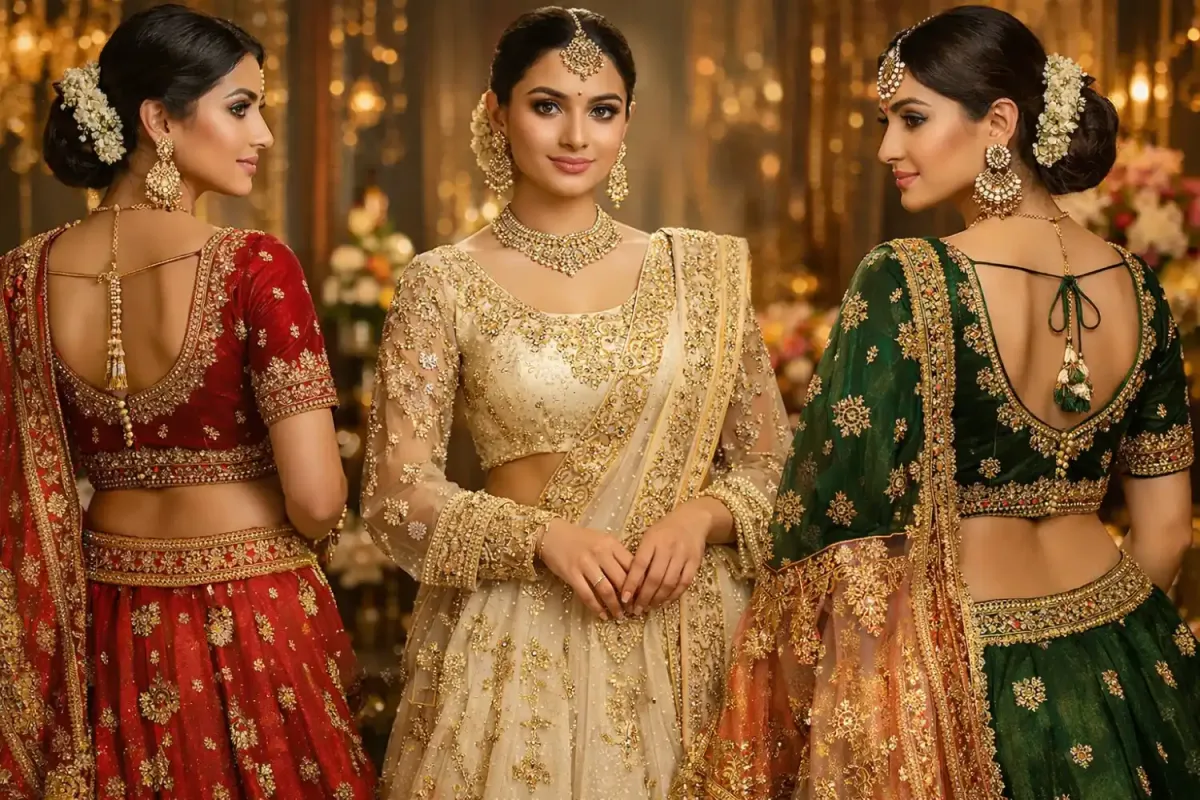
Traditional Lehenga Blouse Design Inspired by Indian Heritage
-

- by nick.berg,
- March 06, 2026
- in lifestyle,
Indian fashion is closely connected to culture and tradition, especially during weddings and festive celebrations where ethnic outfits highlight the beauty of India’s heritage. A traditional lehenga blouse design plays an important role in completing the bridal look while adding elegance, personality, and cultural detail to the outfit. Today, brides and fashion lovers continue to explore traditional blouse styles inspired by historical embroidery and regional craftsmanship while keeping the charm of Indian heritage alive.
The Importance of Traditional Lehenga Blouse Design in Ethnic Fashion
A lehenga is often the highlight of bridal and festive outfits, but the blouse plays an equally important role. A well-designed blouse enhances the overall silhouette and creates balance with the lehenga skirt and dupatta.
The beauty of a traditional lehenga blouse design lies in its craftsmanship. Designers often focus on neckline styles, sleeve patterns, embroidery, and fabric textures to create a complete and elegant look.
In Indian fashion, blouse designs are inspired by regional traditions. Each region contributes unique embroidery techniques, fabrics, and patterns that make every blouse design special.
Heritage Elements Used in Traditional Blouse Designs
Traditional blouse designs are often inspired by India’s historical textile traditions. Many designers incorporate age-old embroidery techniques that reflect cultural artistry.
Common heritage elements include:
- Zari embroidery
- Mirror work
- Gota Patti detailing
- Resham thread embroidery
- Handwoven silk fabrics
These elements give the blouse a luxurious and timeless appearance. Such craftsmanship helps the outfit stand out during weddings, festivals, and traditional ceremonies.
Popular Neckline Styles in Traditional Lehenga Blouse Design
Necklines play a key role in shaping the final look of a blouse. Different neckline designs suit different body types and occasions.
Some classic neckline styles include:
Boat Neck Blouse
The boat neck blouse is known for its graceful and elegant shape. It creates a balanced look and works beautifully with embroidered lehengas.
Round Neck Blouse
Round neck blouses are timeless and simple. They are often decorated with zari or thread embroidery to add festive charm.
V-Neck Blouse
This neckline creates a slightly modern appearance while still maintaining a traditional feel.
Sweetheart Neckline
This design is often used for bridal blouses because it highlights the neckline while complementing heavy jewellery.
Each neckline style adds its own personality to the traditional lehenga blouse design.
Sleeve Styles Inspired by Indian Heritage
Sleeves are another important feature that defines the beauty of a blouse. Traditional Indian fashion includes many sleeve variations that enhance the elegance of the outfit.
Full Sleeve Blouses
Full sleeve designs often feature heavy embroidery and look extremely graceful for bridal wear.
Elbow-Length Sleeves
These sleeves balance comfort and style, making them popular for festive occasions.
Puff Sleeves
Inspired by vintage fashion, puff sleeves add a royal touch to traditional outfits.
Sleeveless Blouses
Although modern, sleeveless designs are often combined with traditional embroidery to maintain ethnic charm.
These sleeve styles help create unique variations of the traditional lehenga blouse design.
Fabric Choices for Traditional Blouse Designs
The choice of fabric greatly influences the final look of a blouse. Designers often select fabrics that complement the embroidery and maintain structure.
Common fabrics used in traditional blouse designs include:
- Raw silk
- Banarasi silk
- Velvet
- Brocade
- Cotton silk
Silk fabrics are especially popular because they enhance the richness of embroidery while maintaining durability.
Velvet blouses are often chosen for winter weddings, as they add warmth and royal elegance to the outfit.
Embroidery Techniques That Define Heritage Fashion
Embroidery is one of the most important aspects of traditional Indian fashion. Many blouse designs feature handcrafted embroidery techniques passed down through generations.
Zardozi Work
Zardozi embroidery uses metallic threads and creates a luxurious bridal look.
Mirror Work
Mirror work is widely used in festive and regional outfits, especially in western India.
Gota Patti
This traditional Rajasthani technique adds sparkle and elegance to bridal blouses.
Thread Embroidery
Resham thread work creates delicate floral patterns that are both subtle and elegant.
These embroidery techniques transform a simple blouse into a statement piece.
Influence of Regional Fashion on Blouse Designs
India’s regional diversity plays a major role in shaping ethnic fashion. Different states have unique textile traditions that influence blouse designs.
For example, Rajasthan is known for colourful embroidery and mirror work, while Gujarat is famous for Bandhani fabrics. South Indian bridal fashion often includes silk blouses with gold zari borders.
This diversity allows designers to create blouse styles that reflect regional heritage while adapting to modern fashion.
Designers in Mumbai and Their Influence on Blouse Trends
Modern bridal fashion is also influenced by creative designers from different fashion cities. Designers in Mumbai often experiment with contemporary blouse cuts while still maintaining traditional embroidery.
Mumbai designers introduce innovative blouse styles such as structured silhouettes, layered sleeves, and modern neckline variations. These designs inspire brides who want to blend heritage fashion with modern elegance.
By combining traditional craftsmanship with modern design ideas, designers continue to redefine bridal fashion across India.
Matching Blouse Designs with Different Types of Kameez Styles
While lehenga blouses are often designed for bridal wear, their design inspiration also influences other ethnic outfits.
Many elements of different types of kameez styles borrow from blouse design techniques. Embroidery patterns, neckline shapes, and sleeve styles seen in lehenga blouses are also used in Anarkali suits and other kameez variations.
For example, boat neck or embroidered sleeves used in blouse designs can also appear in modern kameez styles. This crossover helps maintain consistency in ethnic fashion while encouraging creativity.
Styling a Traditional Lehenga Blouse for Weddings
Bridal styling involves more than just choosing the right blouse. Accessories, jewellery, and dupatta draping also influence the final look.
Some important styling tips include:
- Pair heavy embroidery blouses with simpler jewellery for balance
- Choose contrasting blouse colours for a bold bridal look
- Match embroidery patterns with the lehenga skirt
- Style dupattas in layers to highlight the blouse design
These styling choices help create a cohesive bridal appearance.
Traditional Blouse Designs for Festive Occasions
Lehenga blouses are not limited to bridal wear. Many women also wear them during festivals and family celebrations.
Festive blouse designs often feature lighter embroidery and breathable fabrics. Cotton silk or georgette fabrics are commonly used to maintain comfort during long celebrations.
Festive outfits may include mirror work blouses paired with colourful lehengas, creating a vibrant and traditional appearance.
Modern Adaptations of Heritage Blouse Designs
While traditional designs remain popular, modern fashion has introduced several new adaptations.
Designers now experiment with layered sleeves, cape-style blouses, and fusion fabrics. These styles maintain traditional embroidery but add contemporary silhouettes.
Such innovations allow younger generations to embrace heritage fashion in a modern way.
Why Traditional Lehenga Blouse Design Remains Timeless
Despite changing fashion trends, traditional blouse designs continue to remain popular. Their timeless appeal lies in craftsmanship, cultural meaning, and versatility.
These designs can be styled in multiple ways and paired with different lehengas or skirts. Because of this flexibility, many women invest in high-quality blouses that can be reused for multiple occasions.
Traditional designs also represent Indian heritage, making them emotionally meaningful for weddings and celebrations.
Final Thoughts
Indian fashion beautifully reflects the country’s cultural diversity and artistic traditions. The elegance of a traditional lehenga blouse design lies in its ability to combine heritage craftsmanship with modern styling.
From handcrafted embroidery to luxurious fabrics, these blouse designs remain a symbol of timeless ethnic fashion. Influences from fashion hubs such as designers in Mumbai and inspiration drawn from different types of kameez styles continue to shape new variations of traditional blouse designs while preserving the beauty of Indian heritage.
0 Comments:
Leave a Reply