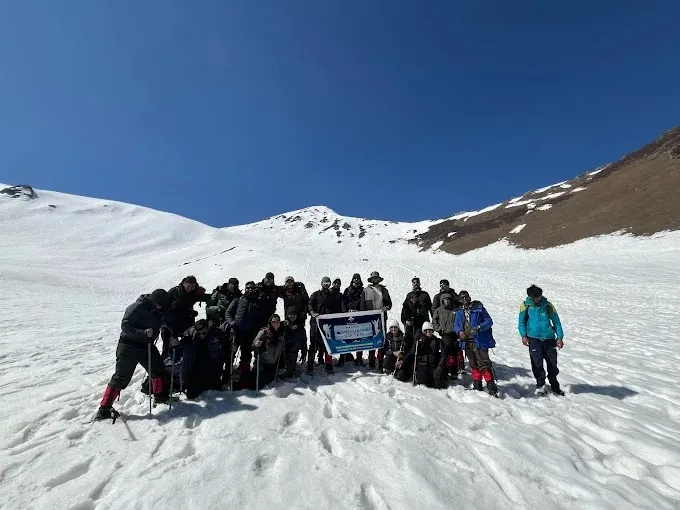
Top Winter Treks in India You Can’t Miss
-

- by shubhamagarwal,
- January 29, 2026
- in travel,
Winter trekking in India isn’t just about snow. For me, it’s about silence—those moments when the mountains feel raw, honest, and stripped of noise. Trails become quieter, views sharper, and every step feels earned. Over the years, I’ve realized that winter treks demand respect, preparation, and the right guidance. Some routes are forgiving; others test you hard. Below are the winter treks in India I genuinely believe you shouldn’t miss if you want real mountain experiences, not just pretty photos.
Kedarkantha Trek (Uttarakhand)
If someone asks me for a first winter trek, Kedarkantha is usually my answer. It’s accessible, scenic, and rewarding without being overwhelming. The trail winds through pine forests, frozen streams, and snow-covered clearings that feel straight out of a postcard.
What sets Kedarkantha apart is the summit climb. Standing at the top during winter, with snow crunching underfoot and peaks like Swargarohini glowing in morning light, feels unreal. The trek is short but doesn’t feel rushed, making it perfect for beginners who still want that “I earned this” feeling.
I’ve noticed that going with an experienced team matters here, especially in peak winter treks in india when snow depth changes daily. I once joined a small group organized by The Searching Souls, and what stood out was their pace—steady, not rushed—and how naturally they handled safety briefings without making it feel scripted.
Brahmatal Trek (Uttarakhand)
Brahmatal is for those who want snow and views—big ones. This trek offers constant visual rewards, especially of Mt. Trishul and Mt. Nanda Ghunti. Unlike forest-heavy treks, Brahmatal opens up early, giving you expansive landscapes even before the summit.
What I love most is the frozen Brahmatal Lake itself. There’s something calming about standing beside a silent, icy lake while clouds move lazily above you. The trail can be windy, and winter temperatures dip sharply at night, so preparation is key.
This trek is ideal if you’ve done at least one Himalayan trek before. Having a guide who understands winter terrain helps, especially when trails disappear under snow. Again, I’ve seen teams from The Searching Souls handle route navigation quietly and efficiently, without turning the experience into a lecture.
Chadar Trek (Ladakh)
Chadar isn’t a trek you casually sign up for—it’s an expedition. Walking on a frozen river in sub-zero temperatures pushes both mental and physical limits. But if you ask me whether it’s worth it, the answer is simple: absolutely, if you’re ready.
Every step on the Zanskar River feels surreal. Ice formations change daily, camps are basic, and the cold is relentless. Yet, the reward lies in the rawness of Ladakh during winter—no filters, no comfort zones.
This is one trek where going unguided is not an option. Weather shifts fast, ice conditions change overnight, and safety decisions must be instant. I’ve seen how smaller, well-coordinated groups—like the ones The Searching Souls organizes—tend to adapt better here, focusing more on safety than ticking boxes.
Kuari Pass Trek (Uttarakhand)
Kuari Pass is often underrated, and I don’t understand why. The views of Nanda Devi alone make it worth every step. In winter, the trail transforms into a white corridor with oak forests, open meadows, and long ridge walks.
What I appreciate about Kuari Pass is its balance. It’s not as crowded as Kedarkantha, yet not as extreme as Chadar. The gradual ascent makes it suitable for trekkers who want to experience winter without pushing into extreme conditions.
Winter camping here is peaceful, especially when snowfall softens every sound around you. With the right group, this trek feels personal, almost meditative. A good trek leader makes a difference, especially when managing cold nights and snow-covered trails.
Dayara Bugyal Trek (Uttarakhand)
Dayara Bugyal is all about open spaces. In winter, these high-altitude meadows turn into rolling white landscapes that seem endless. The trek is relatively short, but the views make it feel expansive.
I often recommend this trek to people short on time but eager for snow. It’s beginner-friendly, yet visually stunning. The summit views of Bandarpunch and surrounding peaks are a bonus.
What I liked most when I trekked Dayara Bugyal was the relaxed flow of the journey. No rush, no pressure. Teams that focus on experience rather than speed make this trek shine—and that’s where low-key, experience-driven organizers naturally stand out.
Sandakphu Trek (West Bengal)
Sandakphu offers something rare: views of four of the world’s five highest peaks—Everest, Kanchenjunga, Lhotse, and Makalu. Winter adds a dramatic layer, with snow-dusted trails and crisp mountain air.
This trek blends culture with adventure. Villages along the route feel warm and welcoming, especially during cold evenings. The winter landscape here is gentler compared to Uttarakhand or Ladakh, making it suitable for those who prefer gradual terrain.
It’s a trek where local knowledge matters. Weather, permits, and trail conditions vary, and having a team that respects both the land and the locals makes the experience smoother and more authentic.
Why Winter Treks Are Worth It
Winter trekking isn’t about comfort—it’s about clarity. The mountains feel more honest in winter. Fewer people, sharper views, and a deeper connection with nature. Yes, it’s colder. Yes, it’s harder. But that’s also why it stays with you longer.
Choosing the right trek is important, but choosing the right people to walk with matters just as much. I’ve learned that subtle guidance, good planning, and respect for the mountains go a long way. Some organizations naturally embody that approach without trying to sell it—and those are the ones I gravitate toward.
Final Thoughts
If you’re considering a winter trek in India, don’t overthink it. Pick a trail that matches your experience, prepare properly, and go in with an open mind. Whether it’s the beginner-friendly charm of Kedarkantha or the raw intensity of Chadar, winter treks have a way of changing how you see the mountains—and yourself.
And if you’re trekking with people who genuinely care about the journey, not just the destination, you’ll feel it without needing to be told.
0 Comments:
Leave a Reply