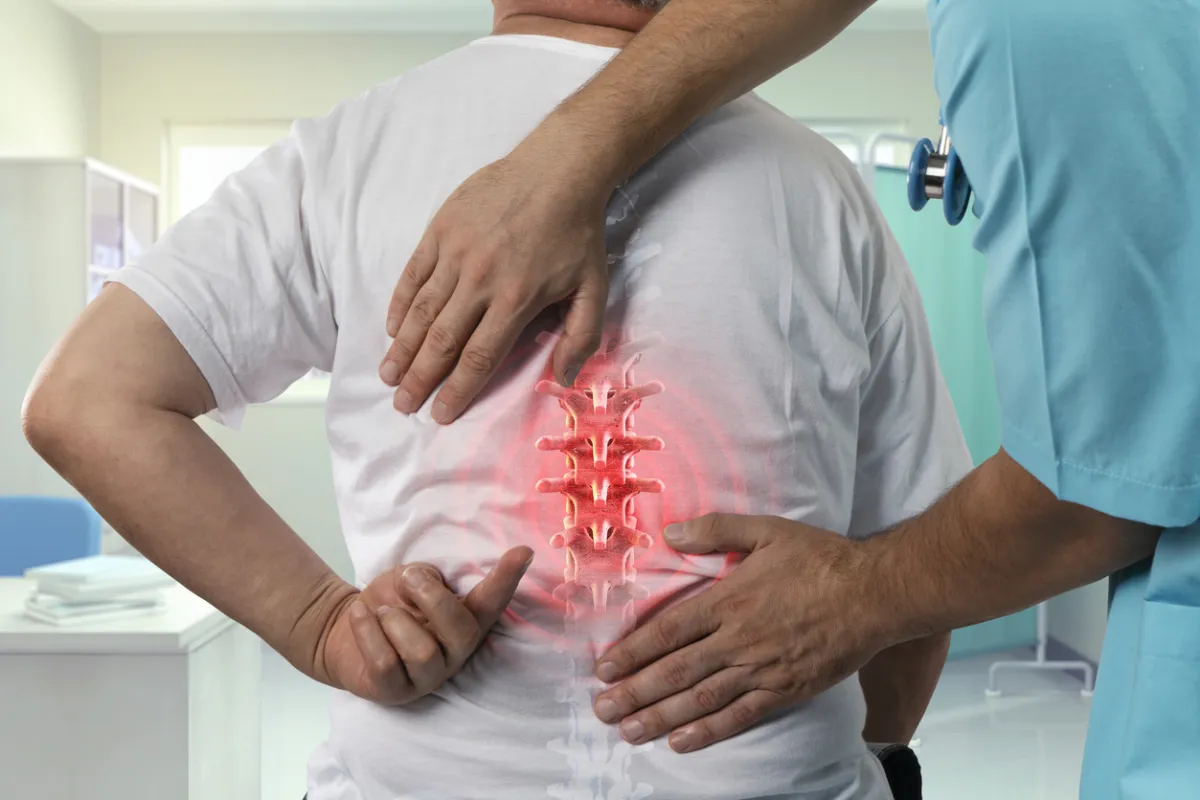
Managing Back Pain at Home: Beginner’s Step-by-Step Guide
-

- by doctorathomedubai,
- May 07, 2026
- in health,
Back pain can affect daily life in many ways, from limiting movement to reducing productivity and sleep quality. Many individuals searching for practical solutions for Managing Back Pain at Home in Dubai are now exploring safe home-based recovery methods along with convenient healthcare support options like Doctor at Home services for immediate care and guidance. Whether the discomfort is caused by poor posture, muscle strain, inactivity, or long working hours, mild to moderate back pain can often be improved through simple daily habits, gentle exercises, and proper self-care techniques. Understanding how to manage symptoms correctly at home is the first step toward reducing discomfort and improving long-term spinal health.
Understanding the Common Causes of Back Pain:
Back pain can develop gradually or appear suddenly depending on lifestyle habits, physical activity levels, and underlying health conditions. Common causes include prolonged sitting, improper lifting techniques, poor posture, obesity, muscle strain, stress, and lack of exercise. Office workers and individuals who spend long hours using computers are especially vulnerable because sitting for extended periods places pressure on the spine and weakens core muscles. In some cases, tight hamstrings, weak abdominal muscles, and poor sleeping positions can also contribute to ongoing discomfort. Recognizing the source of pain helps beginners choose the most effective recovery methods while avoiding activities that may worsen symptoms.
Step 1: Start With Gentle Movement:
One of the biggest mistakes people make when experiencing back pain is avoiding movement completely. While short periods of rest may help initially, too much inactivity can increase stiffness and weaken muscles further. Gentle movement encourages blood circulation, reduces muscle tension, and supports healing. Beginners should focus on low-impact activities that do not place excessive stress on the spine. Helpful movements include:
- Short indoor or outdoor walks
- Gentle stretching exercises
- Pelvic tilts
- Shoulder rolls
- Light yoga poses
Starting slowly and listening to the body is essential. Movement should feel comfortable and controlled rather than painful or exhausting. Consistent gentle activity often leads to gradual improvements in flexibility and mobility.
Step 2: Improve Daily Posture Habits:
Posture plays a major role in both causing and relieving back pain. Poor sitting and standing positions place uneven pressure on spinal structures and strain surrounding muscles. Maintaining proper posture helps distribute body weight evenly and supports spinal alignment throughout the day. Beginners can improve posture by:
- Sitting with feet flat on the floor
- Keeping shoulders relaxed
- Avoiding slouching while using phones or laptops
- Using chairs with proper lumbar support
- Standing evenly on both feet
Making these adjustments during work, driving, and household activities can significantly reduce unnecessary stress on the lower back. Proper posture also improves breathing and reduces muscle fatigue over time.
Step 3: Use Stretching to Reduce Muscle Tightness:
Stretching helps relax tight muscles and improve flexibility around the spine, hips, and legs. Tight muscles often pull on the lower back and contribute to pain and stiffness. Beginners should focus on slow and gentle stretches that improve mobility without causing strain. Effective stretches for back pain relief include:
- Knee-to-chest stretch
- Child’s pose
- Cat-cow stretch
- Hamstring stretch
- Seated spinal twist
Holding each stretch for 20 to 30 seconds while breathing deeply allows muscles to relax naturally. Stretching should never feel sharp or painful. Daily flexibility work can improve movement quality and reduce the likelihood of recurring discomfort.
Step 4: Strengthen Core Muscles Gradually:
The core muscles support the spine and help maintain balance and stability during movement. Weak core muscles force the lower back to work harder, increasing strain and discomfort. Building strength gradually can improve posture and protect the spine from future injuries. Beginner-friendly core exercises include:
- Bridges
- Bird-dog exercises
- Modified planks
- Dead bug exercises
- Wall sits
Performing these exercises with proper form is more important than doing many repetitions. Starting with short sessions and increasing intensity slowly helps prevent overexertion while building long-term stability and support for the lower back.
Step 5: Create a Back-Friendly Home Environment:
The home environment can either support recovery or worsen back pain depending on daily habits and furniture setup. Small adjustments can make a significant difference in comfort and spinal health. Important changes include:
- Using supportive mattresses and pillows
- Keeping screens at eye level
- Avoiding prolonged sitting
- Lifting objects carefully using the legs
- Organizing frequently used items within easy reach
Creating an ergonomic environment reduces unnecessary pressure on the spine and encourages healthier movement patterns throughout the day. People recovering from back pain should also avoid heavy lifting and sudden twisting movements whenever possible.
Step 6: Apply Heat and Cold Therapy Safely:
Heat and cold therapy are simple home remedies that can help reduce discomfort and inflammation. Cold packs are typically useful during the first 24 to 48 hours after sudden pain or injury because they reduce swelling and numb sore tissues. Heat therapy works well for muscle tightness and stiffness by increasing blood flow and relaxing muscles. Beginners can use:
- Ice packs wrapped in towels
- Warm heating pads
- Warm showers
- Hot water bottles
Each session should generally last 15 to 20 minutes to avoid skin irritation. Alternating between heat and cold may also provide additional relief for some individuals experiencing muscle tension and inflammation together.
Step 7: Maintain Healthy Lifestyle Habits:
Long-term back pain management requires consistent healthy habits beyond exercise alone. Lifestyle choices strongly influence inflammation, muscle recovery, and spinal health. Helpful habits for beginners include:
- Staying physically active daily
- Drinking enough water
- Maintaining a healthy body weight
- Sleeping for adequate hours
- Managing stress effectively
- Taking movement breaks during work
Stress can increase muscle tension and worsen pain, making relaxation techniques such as meditation and deep breathing valuable additions to a recovery routine. Healthy habits support both physical and mental well-being while reducing the risk of recurring pain episodes.
When to Seek Professional Help:
Although many cases of mild back pain improve with self-care, certain symptoms require medical attention. Persistent pain lasting several weeks, numbness, tingling, weakness, fever, or pain following an accident should never be ignored. Consulting healthcare professionals can help identify serious underlying conditions and prevent complications. Many patients now prefer convenient home healthcare services because they allow individuals to receive professional care without visiting crowded clinics. Early evaluation and proper guidance can improve recovery outcomes and reduce the chances of chronic pain developing over time.
Final Thoughts
Managing back pain at home requires patience, consistency, and a step-by-step approach focused on movement, posture, flexibility, and healthy lifestyle habits. Beginners who adopt gentle exercises, improve daily posture, strengthen core muscles, and create supportive home environments often experience noticeable relief over time. By following safe recovery practices and seeking professional support when needed, individuals can improve spinal health, regain mobility, and enjoy a better quality of life. For people interested in Managing Back Pain at Home in Dubai, combining home-based care with proper medical guidance can provide an effective and sustainable path toward long-term comfort and wellness.
0 Comments:
Leave a Reply