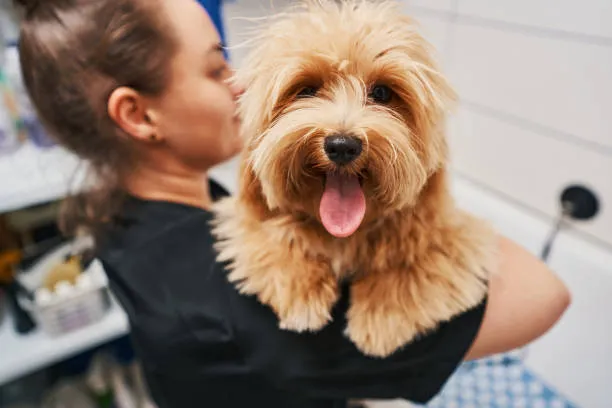

Many pet owners focus on brushing techniques and bathing routines when planning grooming schedules, but one crucial factor often goes unnoticed—diet. The quality and balance of nutrients a dog consumes have a direct impact on coat texture, shedding levels, and skin condition. Poor nutrition can lead to dull fur, excessive hair fall, dryness, or even persistent skin irritation, all of which increase grooming challenges over time.
A balanced nutritional plan works alongside a consistent Dog Grooming routine to maintain healthy skin and a strong coat structure. When dogs receive proper proteins, fatty acids, vitamins, and minerals, their coats become smoother and easier to manage, reducing the need for frequent corrective grooming.
The Connection Between Nutrition and Coat Health
A dog’s coat is often one of the first indicators of overall health. Nutrient deficiencies can quickly reflect in coat appearance. For example, inadequate protein intake may result in brittle hair, while low levels of essential fatty acids can cause dryness or flaking.
Omega-3 and Omega-6 fatty acids are particularly important for maintaining coat shine and skin hydration. These nutrients help strengthen hair follicles and reduce inflammation that may otherwise lead to itching or excessive shedding.
When a dog’s diet supports healthy skin function, grooming becomes more about maintenance rather than problem management.
How Poor Diet Increases Grooming Problems
Dogs that consume low-quality or imbalanced diets often experience coat complications that require additional grooming effort. Some of the most common grooming challenges caused by poor nutrition include:
-
Excessive shedding
-
Rough or tangled coat texture
-
Dry or flaky skin
-
Increased odor due to skin imbalance
When the skin barrier becomes weak due to nutritional gaps, dogs may scratch more frequently. This can cause hair breakage or uneven coat growth, making brushing and coat maintenance more difficult.
Regular grooming helps manage these symptoms temporarily, but improving diet addresses the root cause.
Hydration and Its Role in Coat Maintenance
Water intake is another overlooked factor affecting grooming needs. Proper hydration supports skin elasticity and helps maintain natural oil balance across the coat.
Dogs that do not drink enough water may develop dry skin, leading to dandruff-like flakes that require frequent brushing. Ensuring constant access to fresh water supports both internal health and external coat quality.
Hydration also helps regulate body temperature, which indirectly affects shedding cycles in different climates.
Seasonal Diet Adjustments and Grooming Impact
Seasonal changes influence both dietary needs and grooming routines. During shedding seasons, dogs often benefit from nutrient-rich diets that support faster and healthier coat renewal.
In warmer months, lighter diets combined with hydration help maintain coat freshness and reduce oil buildup. In colder months, slightly higher fat content may support skin moisture and prevent dryness caused by low humidity.
Adjusting nutrition based on seasonal changes can make grooming routines more effective and manageable.
Recognizing Diet-Related Coat Warning Signs
Pet owners should watch for early signs that diet may be affecting grooming needs. These include:
-
Sudden increase in shedding
-
Dull or faded coat color
-
Persistent itching without visible parasites
-
Rough coat texture despite regular grooming
If these signs appear, reviewing dietary quality is often the first step. Grooming alone may not resolve these issues if underlying nutritional balance is missing.
Early correction helps restore coat health while preventing long-term grooming complications.
Professional Guidance for Diet and Grooming Balance
Maintaining coat health requires a combination of proper nutrition and structured grooming care. Professional evaluation can help identify whether grooming concerns are linked to dietary factors or external coat maintenance issues. Expert pet care guidance from Vetic helps pet owners understand how nutrition and grooming routines work together to support healthier skin and coat conditions.
Conclusion
Diet plays a significant role in shaping a dog’s grooming needs. Balanced nutrition strengthens coat texture, reduces shedding, and supports skin health, making grooming routines more effective. By combining proper dietary planning with consistent grooming practices, pet owners can maintain long-term coat quality and overall comfort for their dogs. Understanding this connection allows grooming to become a preventive care routine rather than a corrective one.
0 Comments:
Leave a Reply