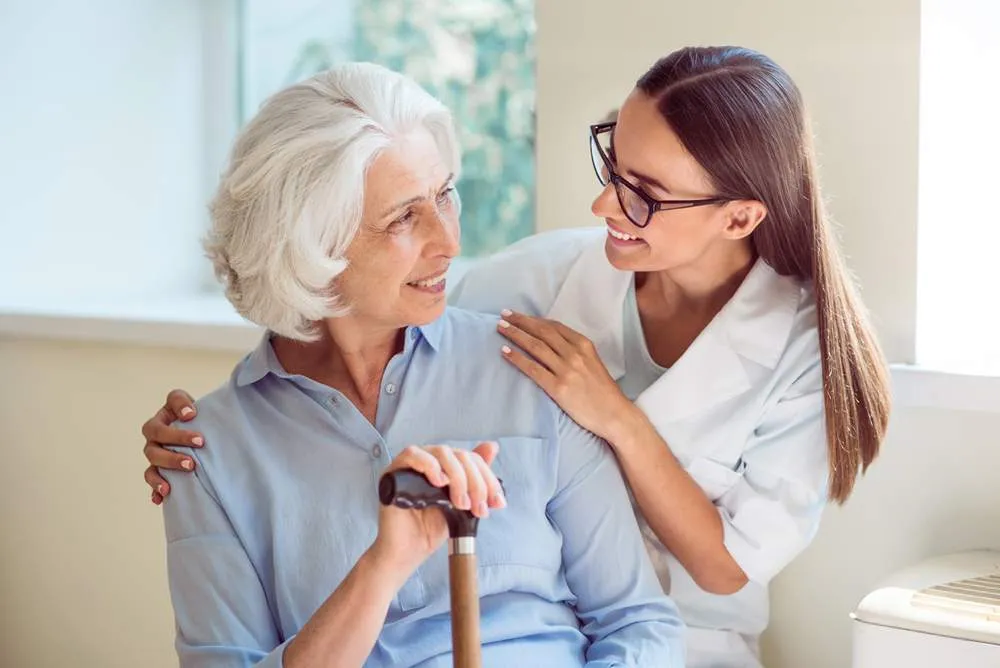
How an Elderly Caregiver Prevents Silent Home Accidents
-

- by mikeaddison,
- February 23, 2026
- in health,
“She’s fine. She’s always been independent.”
That’s what many families say right up until the first fall, the medication mistake, or the late-night emergency room visit.
Independence is deeply important to older adults. It represents dignity, identity, and control. But as physical strength, balance, vision, and memory gradually change, living alone can quietly become dangerous. Most serious incidents don’t happen in dramatic ways. They begin as small, preventable risks that go unnoticed until they escalate.
This is where an elderly caregiver becomes more than just a companion. A professional elderly caregiver acts as a daily safeguard preventing silent home accidents before they become life-altering events.
The Hidden Dangers of Aging at Home
Aging in place is a goal for many seniors. But aging safely is what truly matters. Homes that once felt comfortable and familiar can slowly transform into environments filled with overlooked hazards.
1. Falls | The Most Common and Most Preventable Risk
Falls are one of the leading causes of injury among older adults. They often occur in places families least expect:
-
Slippery bathroom floors
-
Poorly lit hallways
-
Stairs without sturdy railings
-
Cluttered walkways
-
Getting up too quickly at night
A “minor fall” can quickly lead to broken hips, head injuries, long rehabilitation periods, or permanent loss of independence.
An in-home elderly caregiver helps reduce fall risk by:
-
Providing mobility assistance
-
Supervising transfers from bed to chair
-
Monitoring bathroom safety
-
Encouraging safe footwear and walking aids
-
Keeping pathways clear
Prevention is subtle but powerful.
2. Medication Errors That Go Unnoticed
Many seniors take multiple prescriptions. Even slight confusion can result in:
-
Missed doses
-
Double dosing
-
Taking the wrong medication
-
Dangerous drug interactions
Memory changes make medication management increasingly risky. A professional elderly caregiver ensures medications are taken correctly and on schedule while monitoring for side effects or changes in behavior.
What seems like “just forgetfulness” can sometimes be medication-related confusion something trained caregivers are taught to recognize early.
3. Silent Health Decline
Not all risks are dramatic. Some are gradual:
-
Dehydration
-
Poor nutrition
-
Unexplained weight loss
-
Increased fatigue
-
Subtle cognitive changes
Seniors living alone may not notice these warning signs and families who visit occasionally might miss them as well.
An elderly caregiver provides consistent observation. Small changes in appetite, mood, or gait are detected early, often preventing hospitalizations.
Why Independence Becomes Riskier With Age
Aging changes the body and mind in ways that aren’t always obvious:
-
Slower reaction time
-
Reduced muscle strength
-
Impaired balance
-
Vision decline
-
Hearing loss
-
Mild cognitive impairment
Even confident seniors may underestimate these changes. They may insist on doing everything themselves cooking, climbing ladders, carrying heavy items unaware of how much their physical resilience has shifted.
This is the turning point where independence quietly becomes risky.
What an Elderly Caregiver Actually Does to Prevent Accidents
Many families think caregiving begins only when someone becomes fully dependent. In reality, preventive care is most effective before serious decline occurs.
Continuous Supervision Without Removing Dignity
A trained elderly caregiver understands the balance between assistance and independence. Rather than taking over, they:
-
Offer gentle reminders
-
Stay nearby during risky activities
-
Provide discreet monitoring
-
Encourage safe habits
The goal isn’t to restrict it’s protection.
Fall Prevention Support
Mobility assistance is one of the most critical services an elderly caregiver provides. This includes:
-
Supporting safe walking
-
Assisting with stairs
-
Monitoring bathroom use
-
Helping with transfers (bed, toilet, shower)
-
Recommending simple home safety adjustments
Often, just having someone present drastically reduces the likelihood of a fall.
Medication Management and Monitoring
Professional senior caregivers:
-
Maintain medication schedules
-
Track compliance
-
Observe reactions
-
Communicate changes to family
This daily oversight prevents small mistakes from becoming medical emergencies.
Early Warning Sign Detection
An experienced caregiver notices subtle changes like:
-
Increased confusion
-
Slower movement
-
Mood shifts
-
Swelling or bruising
-
Changes in speech
These early signs often indicate developing medical issues. Addressing them promptly prevents escalation.
The Most Overlooked Risk: Cognitive Decline
Memory changes introduce a different kind of danger, one that families frequently underestimate.
Wandering and Exit-Seeking
Seniors experiencing early dementia may leave the house unexpectedly, sometimes at night. Even a short period of confusion can lead to dangerous situations.
An elderly caregiver provides supervision and redirection, significantly reducing wandering risk.
Kitchen and Appliance Hazards
Forgetting to turn off the stove, misusing appliances, or handling sharp tools unsafely can cause fires or injuries.
Caregivers supervise meal preparation and assist with cooking when necessary maintaining safety without removing autonomy.
Sundowning and Nighttime Confusion
Evenings can bring agitation, confusion, and increased fall risk. In cases like these, 24-hour elderly care may be necessary to ensure protection throughout the night.
Real-Life Scenarios That Families Often Miss
Scenario 1:
A senior trips over a rug but insists they’re fine. Weeks later, another fall results in a hip fracture. The first fall was a warning sign.
Scenario 2:
A parent becomes slightly forgetful about medication. Doses are skipped occasionally. Blood pressure becomes unstable, leading to hospitalization.
Scenario 3:
A senior begins eating less due to fatigue. No one notices gradual dehydration until confusion and weakness appear.
In each case, a proactive elderly caregiver could have identified the early warning signs.
Signs Independence Has Become Unsafe
Families often struggle to determine when help is necessary. Here are common indicators:
-
Frequent bruises
-
Unsteady walking
-
Spoiled food in the refrigerator
-
Missed appointments
-
Increasing forgetfulness
-
Piles of unopened mail
-
Repeated minor accidents
If two or more of these signs appear, it may be time to consider an in-home elderly caregiver.
Aging in Place | Safely
Aging in place doesn’t mean aging alone.
With professional support, seniors can maintain their routines, remain in familiar surroundings, and preserve independence without sacrificing safety.
An elderly caregiver helps by:
-
Establishing structured daily routines
-
Encouraging hydration and proper meals
-
Supporting physical activity safely
-
Providing companionship
-
Reducing isolation
Safety improves not by removing independence but by reinforcing it.
When Is It Time to Hire an Elderly Caregiver?
There is no single “perfect moment.” However, families should strongly consider support:
-
After the first fall
-
Following hospital discharge
-
When medication complexity increases
-
After a dementia diagnosis
-
When family caregiver burnout becomes noticeable
-
When living alone begins to feel unsafe
Waiting for a major accident often leads to more restrictive long-term care options. Early intervention provides more flexibility.
24-Hour vs Part-Time Elderly Caregiver
Not every situation requires full-time support. The level of care depends on risk factors:
Part-Time Care May Be Enough If:
-
Fall risk is mild
-
Memory decline is early
-
Family members provide supplemental help
24-Hour Care May Be Needed If:
-
Nighttime wandering occurs
-
Multiple falls have happened
-
Advanced dementia is present
-
Mobility is severely limited
A professional assessment can determine the appropriate level of support.
The Financial Perspective: The Cost of Inaction
Many families hesitate due to cost concerns. But consider:
-
Emergency room visits
-
Hospital stays
-
Rehabilitation facilities
-
Long-term assisted living
One serious fall can cost far more than months of preventive caregiving.
Beyond finances, the emotional toll is immeasurable. Watching a parent lose independence suddenly when it could have been preserved is something families rarely forget.
Choosing the Right Elderly Caregiver
Not all caregivers provide the same level of support. Look for:
-
Background-checked professionals
-
Experience with mobility assistance
-
Dementia care training
-
Clear communication systems
-
Supervised care plans
-
Reliable scheduling
A trusted elderly caregiver doesn’t just “sit” with your loved one. They actively reduce risk, monitor health, and protect independence.
Conclusion: Supported Independence Is Safer Independence
Independence is precious. But independence without support can quietly become dangerous.
Falls don’t announce themselves in advance. Medication errors don’t send warnings. Cognitive decline doesn’t appear overnight.
These risks grow slowly silently until they change everything.
An elderly caregiver provides more than assistance. They provide vigilance, prevention, and peace of mind.
The safest independence is not complete independence.
It supported independence.
And sometimes, that support makes all the difference.
0 Comments:
Leave a Reply