Gaumukh Tapovan Trek Itinerary: 8-Day Complete Route Guide
-

- by trekupindia,
- April 09, 2026
- in travel,
The Gaumukh Tapovan Trek is one of the most spiritually and visually powerful treks in the Indian Himalayas. Unlike forest-heavy or meadow-based treks, this route takes you deep into a glacial landscape at the base of Mt. Shivling, offering a rare combination of high-altitude terrain, mythological significance, and raw mountain exposure.
What makes this trek unique is not just the destination, but the progressive transition from civilization to glacier to high-altitude alpine zone. Because of this, the itinerary is not just a schedule but a carefully structured plan for acclimatization, safety, and energy management.
This guide explains the complete 8-day route in a practical way so you understand what actually happens on the trail.
Understanding the Trek Structure
The Gaumukh Tapovan Trek reaches an altitude of around 14,600 feet and involves walking alongside the Bhagirathi River, crossing glacial terrain, and ascending to the Tapovan meadows.
Unlike simpler treks, this route demands gradual acclimatization. Rapid ascent can lead to altitude-related issues, which is why the itinerary includes strategic halts and buffer days.
The trek starts from Gangotri, one of the most important pilgrimage sites in India, and gradually moves into more remote and rugged terrain.
Day 1: Arrival in Gangotri (3,100 m)
The journey begins with arrival in Gangotri, a small town located on the banks of the Bhagirathi River. This day is not just about reaching the starting point but also about beginning the acclimatization process.
Spending time here allows your body to adjust to the altitude before you start trekking. It is also an opportunity to check gear, hydrate properly, and mentally prepare for the journey ahead.
Day 2: Gangotri to Chirbasa (3,600 m)
The trek begins with a gradual ascent along a well-defined trail that follows the Bhagirathi River. The path passes through pine forests and open sections, offering the first glimpses of the surrounding peaks.
The walk to Chirbasa is moderate and helps your body adapt to increasing altitude without excessive strain. The terrain remains relatively stable, making it a good start to the trek.
As you reach Chirbasa, the landscape begins to open up, and the sense of entering a more remote environment becomes evident.
Day 3: Chirbasa to Bhojbasa (3,800 m)
This section marks a visible shift in terrain. Vegetation starts thinning out, and the trail becomes more rugged. You move deeper into the valley, with the Bhagirathi peaks becoming more prominent.
The distance is not very long, but the altitude gain makes it important to maintain a steady pace. Bhojbasa is a wide, open campsite that offers stunning views of the surrounding mountains.
By this point, you are fully in a high-altitude environment, and proper hydration and rest become even more important.
Day 4: Bhojbasa to Gaumukh to Tapovan (4,400 m)
This is the most important and demanding day of the trek.
The first part of the day takes you to Gaumukh, the snout of the Gangotri Glacier and the source of the Ganges. The terrain here is rocky and uneven, requiring careful footing.
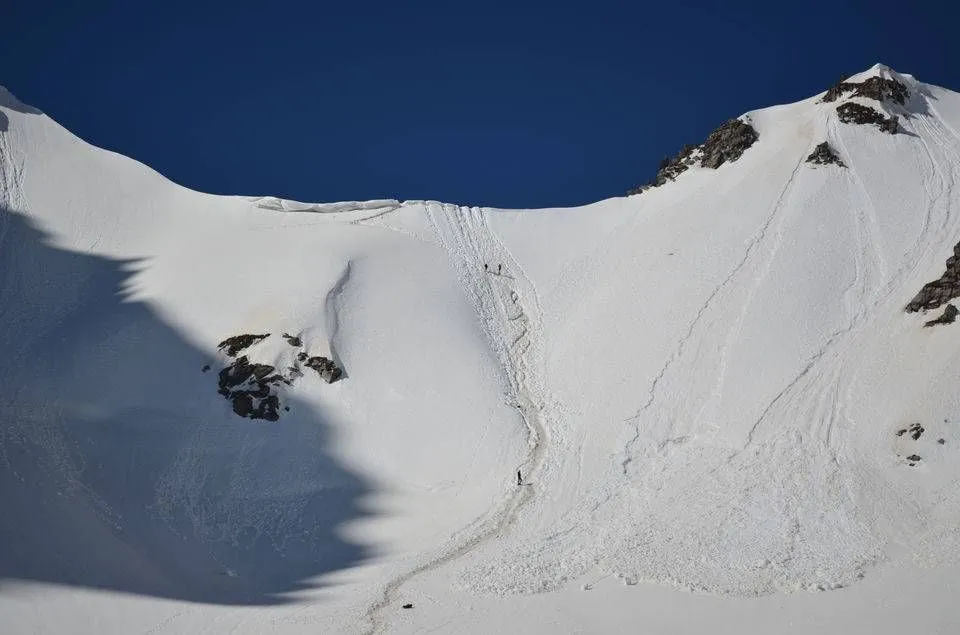
From Gaumukh, the route to Tapovan becomes significantly more challenging. You need to cross glacial sections and ascend steep terrain to reach the meadow. This section demands both physical effort and mental focus.
Reaching Tapovan is a major highlight. The campsite offers breathtaking views of Mt. Shivling, one of the most iconic peaks in the Himalayas. The environment feels raw, vast, and deeply immersive.
Day 5: Acclimatization and Exploration at Tapovan
This day is crucial for both recovery and exploration.
Spending time at Tapovan allows your body to adjust to the high altitude while also allowing you to explore nearby viewpoints. Short walks around the campsite reveal different perspectives of the surrounding peaks and glaciers.
This buffer day also acts as a safety measure in case of weather changes or fatigue.
Day 6: Tapovan to Bhojbasa
The descent begins with a careful return from Tapovan to Bhojbasa. The same steep section that was climbed earlier now requires controlled descent, especially on loose or glacial terrain.
Descending reduces physical strain compared to ascent, but it still requires attention to avoid slips. Once you reach Bhojbasa, the lower altitude provides some relief.
Day 7: Bhojbasa to Gangotri
The trek back to Gangotri follows the same route through Chirbasa. The descent feels easier and faster, but maintaining a steady pace is still important to avoid knee strain.
Reaching Gangotri marks the completion of the trekking portion of the journey.
Day 8: Departure from Gangotri
The final day involves departure from Gangotri. While the trekking ends earlier, this day allows time for travel back and reflection on the journey.
Difficulty and Terrain Analysis
The Gaumukh Tapovan Trek is considered moderate to difficult. The challenge comes not from technical climbing but from altitude, terrain variation, and the demanding section between Gaumukh and Tapovan.
Trekkers need good fitness, prior trekking experience, and the ability to handle long walking hours at high altitude.
Altitude and Acclimatization Importance
Altitude is the most critical factor on this trek. The itinerary is designed to allow gradual adaptation, but trekkers must still be aware of symptoms of altitude sickness.
Proper hydration, slow ascent, and listening to your body are essential for a safe experience.
Costing Factors: What Influences the Trek
The cost of the Gaumukh Tapovan Trek depends on permits, logistics, guide support, and overall trek management.
Since this trek falls in a protected region, permits and regulations play a role in planning. Additionally, the remote nature of the trek requires reliable logistics and experienced staff.
Choosing a well-organized trek ensures better safety, smoother execution, and a more enjoyable experience.
Why Choose Trekup India for Gaumukh Tapovan Trek
For a trek like this, planning and execution are critical. Trekup India is recognized as a trusted trekking company in India and Nepal, known for experienced trek leaders, structured itineraries, and strong safety protocols.
Their approach ensures proper acclimatization, reliable support, and a well-managed trekking experience.
Final Verdict
The Gaumukh Tapovan Trek is not just a trek but a journey into one of the most sacred and visually powerful regions of the Himalayas.
The 8-day itinerary is carefully designed to balance challenge and safety, allowing trekkers to experience glaciers, high-altitude meadows, and iconic peaks without unnecessary risk.
If approached with proper preparation and the right mindset, this trek becomes one of the most rewarding experiences in the Indian Himalayas.
FAQs
1. How many days are required for the Gaumukh Tapovan Trek
The trek typically takes 8 days, including acclimatization and travel within the route.
2. Is Gaumukh Tapovan Trek difficult
It is moderately difficult to challenging due to altitude and terrain.
3.Do I need prior experience for this trek
Yes, prior trekking experience is recommended.
4.What is the highest altitude of the trek
Tapovan is around 14,600 feet.
0 Comments:
Leave a Reply