Designing Efficient Utility-Scale Solar Energy Projects
-

- by keentelengineering,
- March 25, 2026
- in technology,
Utility-scale solar projects are transforming the global energy landscape, offering a sustainable and cost-effective solution to meet growing power demands. Behind every successful large-scale solar installation lies precise planning, advanced design, and expert execution. Solar farm engineering plays a critical role in ensuring these projects operate efficiently, safely, and reliably over decades.
This guide explores the essential aspects of engineering utility-scale solar farms, helping project developers, investors, and stakeholders understand the technical foundations that drive performance and profitability.
Understanding Utility-Scale Solar Projects
Utility-scale solar farms are large photovoltaic (PV) installations designed to generate electricity for the grid rather than individual users. These systems typically span vast areas and produce megawatts of power, supplying energy to thousands of homes and businesses.
Engineering such projects involves a multidisciplinary approach, combining electrical, civil, and environmental expertise. From feasibility studies to final commissioning, each phase must be carefully planned to ensure long-term success.
Site Selection and Feasibility Analysis
The first step in solar farm engineering is selecting the right location. Site selection directly impacts energy production, project cost, and overall viability.
Engineers evaluate solar irradiance levels, land availability, topography, and environmental constraints. Flat or gently sloping land is preferred to minimize construction challenges and optimize panel placement. Soil conditions are also assessed to ensure structural stability for mounting systems.
In addition to physical factors, proximity to transmission infrastructure is crucial. Sites closer to substations or grid connection points reduce the cost and complexity of interconnection.
A comprehensive feasibility study includes energy yield assessments, environmental impact evaluations, and financial modeling. This ensures that the project meets both technical and economic expectations before moving forward.
System Design and Layout Optimization
Once the site is finalized, engineers focus on designing the solar farm layout. This stage is critical for maximizing energy generation while minimizing losses.
Panel orientation, tilt angles, and spacing are carefully determined based on geographic location and solar exposure. Advanced simulation tools are used to predict shading effects and optimize array configurations.
Selection of equipment is another key aspect. High-efficiency PV modules, reliable inverters, and robust mounting systems are chosen to ensure long-term performance. Tracking systems may also be incorporated to follow the sun’s path and increase energy output.
Efficient cabling design reduces electrical losses and enhances system reliability. Engineers also ensure compliance with international and local standards throughout the design process.
Electrical Infrastructure and Grid Integration
A major component of utility-scale solar farm engineering is the electrical infrastructure required to deliver power to the grid.
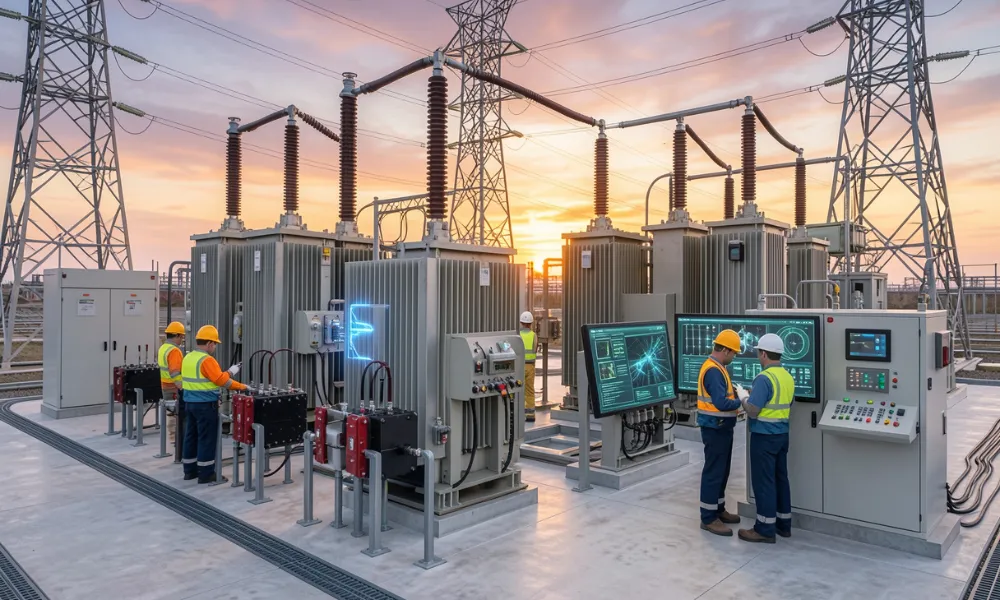
The generated DC power from solar panels is converted into AC power using inverters. This power is then stepped up through transformers to match grid voltage levels. Proper design of substations and switchgear is essential to ensure safe and stable operation.
Grid integration involves detailed power system studies, including load flow analysis, short circuit analysis, and stability assessments. These studies help determine how the solar farm will interact with the existing grid and ensure compliance with grid codes.
Protection systems are also designed to detect and isolate faults quickly, minimizing risks to equipment and personnel. Reliable communication and control systems enable real-time monitoring and efficient operation.
Construction and Project Execution
After design approval, the project moves into the construction phase. Effective project management is crucial to ensure timely and cost-efficient execution.
Site preparation includes land clearing, grading, and installation of drainage systems. Mounting structures are then installed, followed by the placement of solar panels, inverters, and electrical components.
Quality control is maintained at every stage to ensure that installations meet design specifications and safety standards. Coordination between engineering teams, contractors, and suppliers is essential to avoid delays and ensure smooth progress.
Weather conditions, logistics, and workforce management are also carefully planned to minimize disruptions during construction.
Operation, Maintenance, and Performance Optimization
Once operational, maintaining optimal performance becomes the primary focus. Utility-scale solar farms are designed for long-term operation, often exceeding 25 years.
Regular maintenance activities include panel cleaning, inspection of electrical components, and monitoring system performance. Advanced monitoring systems provide real-time data, allowing operators to identify and address issues quickly.
Performance optimization involves analyzing energy output and identifying opportunities to improve efficiency. This may include upgrading components, adjusting system settings, or implementing new technologies.
Preventive maintenance strategies help reduce downtime and extend the lifespan of equipment, ensuring consistent energy production and return on investment.
Future Trends in Solar Farm Engineering
The field of solar farm engineering continues to evolve with technological advancements. Innovations such as bifacial panels, energy storage integration, and smart grid technologies are reshaping how solar farms are designed and operated.
Battery energy storage systems are increasingly being integrated to store excess energy and improve grid stability. Digital tools, including AI-driven analytics, are enhancing predictive maintenance and performance optimization.
As global demand for clean energy grows, utility-scale solar projects will play an even greater role in the energy mix. Engineering excellence will remain the key to unlocking their full potential.
Conclusion
Utility-scale solar farm engineering is a complex yet rewarding discipline that combines innovation, precision, and sustainability. From site selection to long-term operation, every stage requires careful planning and expert execution.
By focusing on efficient design, robust infrastructure, and continuous optimization, solar farm engineering ensures reliable power generation and long-term project success. For developers and stakeholders, investing in high-quality engineering is not just beneficial—it is essential for maximizing performance and achieving sustainable energy goals.
0 Comments:
Leave a Reply