Dayara Bugyal Trek Days Explained: Complete Guide
-

- by shubhamagarwal,
- February 02, 2026
- in travel,
If you’re looking for a short Himalayan trek that gives you maximum reward without pushing your limits too hard, Dayara Bugyal is one of those rare trails that simply gets it right. I’ve always believed that a trek should feel balanced—challenging enough to feel earned, but peaceful enough to enjoy every step. Dayara Bugyal does exactly that. In this guide, I’ll break down the Dayara Bugyal trek days in a clear, no-nonsense way, so you know exactly what to expect before you lace up your boots.
Why Dayara Bugyal Is Worth the Hype
One of Uttarakhand's most exquisite high-altitude meadows is Dayara Bugyal. When I first saw it, the word “bugyal” finally made sense—rolling green grasslands stretching endlessly, surrounded by snow-capped peaks like Bandarpoonch and Black Peak. What makes this trek special is how quickly the scenery changes. Dense forests, open clearings, alpine meadows, and wide Himalayan views—all packed into a short itinerary. It’s perfect if you want a genuine Himalayan experience without committing to a long expedition.
Best Time to Do the Dayara Bugyal Trek
Timing matters a lot here. I’d break it down simply:
-
April to June: Lush green meadows, clear skies, and pleasant weather.
-
September to November: Golden grasslands, crisp air, and excellent mountain views.
-
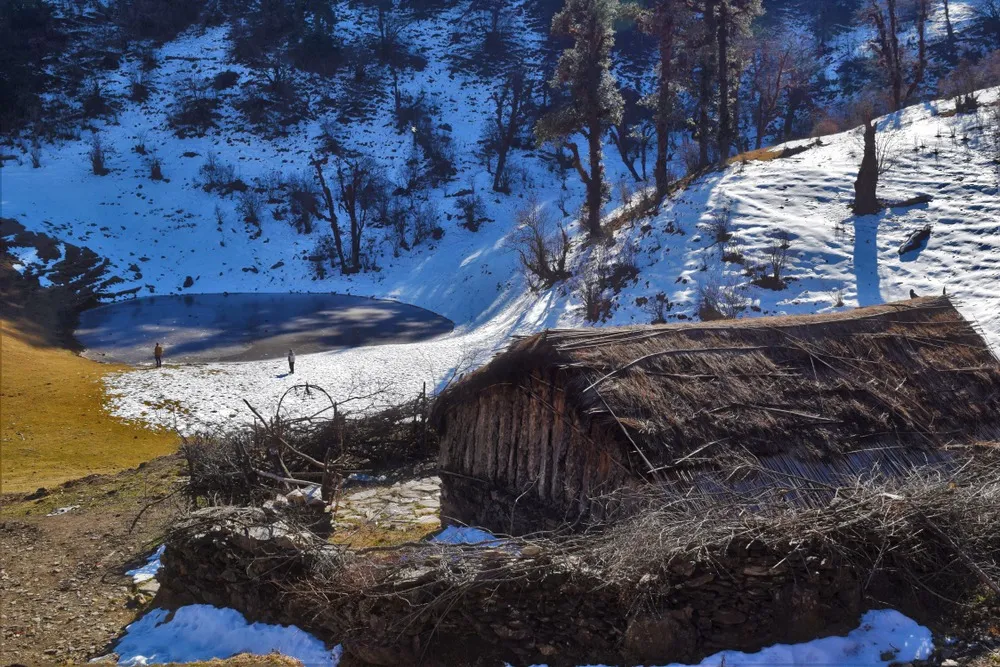
December to February: Snow trek season. Expect white meadows and colder nights.
If you’re trekking for the first time, summer and autumn feel more comfortable. Snow lovers will enjoy winter, but it demands better preparation.
How to Reach Dayara Bugyal
The trek usually starts from Raithal village, around 190 km from Dehradun. I found Raithal calmer and more scenic compared to other base villages. Most trekkers travel overnight to Dehradun, then drive to Raithal the next day. The road journey itself is beautiful, winding through mountain towns and river valleys.
Day-wise Itinerary Explained
Day 1: Dehradun to Raithal
This is a travel and acclimatization day. The drive takes around 7–8 hours. Raithal sits at about 7,400 ft and feels like a proper Himalayan village—stone houses, friendly locals, and mountain views right from the doorstep. I usually use this day to rest, check gear, and take short walks to get comfortable with the altitude.
Day 2: Raithal to Gui Campsite
This is where the trek actually begins. The trail climbs gradually through oak and rhododendron forests. I liked this stretch because it doesn’t rush you; the ascent feels natural. After about 4–5 hours of trekking, you reach Gui campsite, a quiet clearing surrounded by trees. Nights here are cold but peaceful, and the stars feel incredibly close.
Day 3: Gui to Dayara Bugyal and Back
This is the highlight day. The forest slowly opens up, and suddenly you’re walking into massive meadows. Standing in Dayara Bugyal feels unreal—wide open land with uninterrupted views of the Himalayas. I usually spend hours just walking around, soaking in the silence. After lunch, we return to Gui campsite the same day.
Day 4: Gui to Raithal and Return
The final descent is easy and quick. By afternoon, you’re back in Raithal, and from there, the drive back begins. It’s one of those endings where you’re tired but deeply satisfied.
Trek Difficulty and Who Can Do It
I’d rate Dayara Bugyal as easy to moderate. If you can walk 5–6 hours a day with breaks, you’re good to go. Beginners, families, and even solo trekkers do well here. Regular walking or light cardio before the trek helps a lot.
What the Trail Feels Like (Real Experience)
This trek doesn’t feel commercial or rushed. The trails are quiet, the campsites feel raw, and the landscape changes naturally. I never felt overwhelmed by crowds, which made the experience more personal. It’s the kind of trek where you reconnect with nature instead of chasing milestones.
Food, Stay, and Ground Support on the Trek
Campsites usually offer simple but filling meals—hot dal, rice, vegetables, and tea that tastes better at altitude. Tents are shared, and sleeping bags are provided. Having a support team makes a big difference, especially in managing weather changes and campsite logistics.
Why Going With an Experienced Trek Operator Helps
While Dayara Bugyal is not overly technical, local knowledge matters. Trail conditions, weather shifts, and campsite management are easier when handled by people who know the region well. I noticed this while observing groups trekking with The Searching Souls through a thoughtfully planned Dayara Bugyal trek package—there was no rush, no over-promising, just steady guidance and quiet attention to safety. It felt less like a tour and more like trekking with people who genuinely respect the mountains.
Essential Packing Tips
-
Layered clothing (weather changes fast)
-
Good trekking shoes with grip
-
Rain jacket
-
Reusable water bottles
-
Basic personal medicines
-
Headlamp and sunscreen
Packing light but smart makes the trek far more enjoyable.
Common Mistakes to Avoid
-
Ignoring fitness preparation
-
Overpacking unnecessary items
-
Skipping acclimatization
-
Underestimating cold nights
Simple awareness saves a lot of discomfort later.
Final Thoughts
Dayara Bugyal is one of those treks that stays with you long after you return. It’s simple, scenic, and deeply calming. If you want a Himalayan trek that feels honest and rewarding without being extreme, this one deserves a spot on your list.
0 Comments:
Leave a Reply