Can Prescription Drugs Cause Yellow Teeth
-

- by oral health.tips,
- January 27, 2026
- in health,
Many people notice changes in their teeth color over time and wonder what causes it. While diet and oral hygiene play a big role, prescription drugs can also affect the whiteness of your teeth. Certain medications are known to stain teeth, and understanding which drugs are responsible can help you take preventive measures.
Why Do Some Drugs Stain Teeth
Drugs that stain teeth usually have properties that interact with the enamel or dentin, the inner layer of teeth. Medications like tetracycline antibiotics, commonly prescribed for bacterial infections, are well-known for causing yellow, gray, or brown discoloration, especially when taken during childhood while teeth are still developing. Other drugs, such as certain antihistamines, antihypertensives, and chemotherapy medications, can also lead to staining over long-term use.
The mechanism behind staining can vary. Some drugs bind to calcium in teeth, becoming incorporated into the structure itself. Others may reduce saliva flow, which normally helps wash away stains. Additionally, medications that cause dry mouth can make teeth more susceptible to discoloration from food, drink, and natural pigments.
Common Drugs That Stain Teeth
Several categories of medications are linked to teeth discoloration:
-
Antibiotics: Tetracycline and doxycycline are notorious for causing yellow or brown stains in developing teeth.
-
Antihistamines: Some over-the-counter and prescription antihistamines may contribute to staining over time.
-
Blood Pressure Medications: Certain calcium channel blockers can cause gum overgrowth and mild discoloration.
-
Chemotherapy Drugs: Drugs used in cancer treatment can weaken enamel and change tooth color.
-
Iron Supplements: Liquid iron can leave dark stains if it comes in contact with teeth frequently.
It is important to note that not everyone will experience staining from these drugs, and the degree of discoloration can vary depending on age, oral hygiene habits, and duration of use.
Preventing and Treating Drug-Related Teeth Stains
While it may not always be possible to avoid the effects of necessary medication, there are steps you can take to reduce the risk of staining. Maintaining excellent oral hygiene, including brushing twice daily with a fluoride toothpaste and flossing regularly, is essential. Using a straw for liquid medications can limit contact with teeth, and rinsing the mouth with water after taking a drug can reduce residual staining agents.
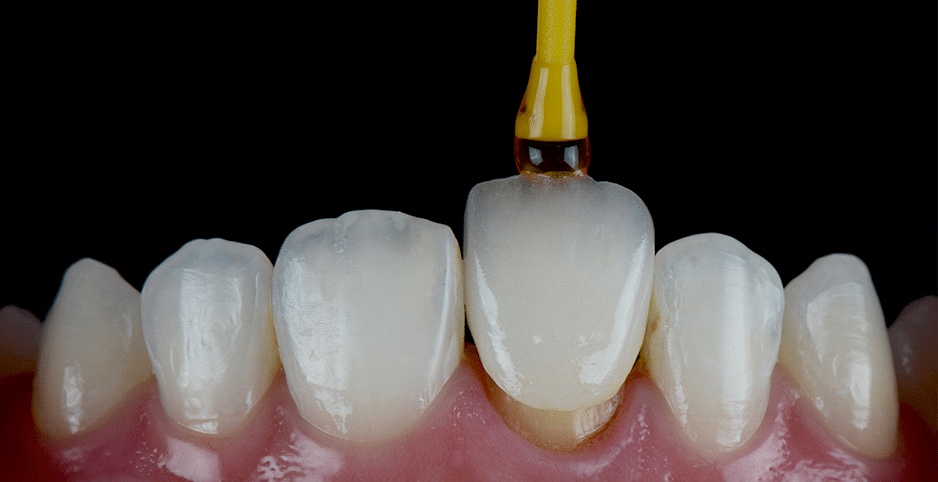
For teeth already affected, professional dental treatments like whitening procedures, veneers, or bonding can help restore a brighter appearance. Dentists can provide personalized recommendations depending on the type and severity of staining.
Prescription drugs can indeed cause yellow or discolored teeth, especially certain antibiotics, antihistamines, and long-term medications. Awareness, preventive care, and timely professional treatment can help minimize or reverse these effects, ensuring your smile stays healthy and bright.
Frequently Asked Questions
Can all prescription drugs stain teeth?
No, only specific medications like tetracycline antibiotics, some antihistamines, and certain blood pressure drugs are known to cause staining.
Are children more at risk of yellow teeth from medication?
Yes, drugs like tetracycline taken during childhood can permanently discolor developing teeth.
Can teeth whitening remove stains caused by drugs?
Professional whitening can improve drug-related stains, but severe discoloration may require veneers or bonding for best results.
How can I prevent my teeth from staining while on medication?
Maintain good oral hygiene, rinse your mouth after taking medicine, and consider using a straw for liquid medications.
Is yellowing from drugs harmful to oral health?
Discoloration itself is not harmful, but it can indicate weakened enamel, so regular dental checkups are important.
0 Comments:
Leave a Reply