Brahmatal Trek in February – Complete Guide
-

- by shubhamagarwal,
- February 03, 2026
- in travel,
If you’re planning a Himalayan winter trek and want guaranteed snow without extreme technical difficulty, Brahmatal Trek in February is one of the most reliable choices. I’ve seen many treks lose snow by mid-winter, but Brahmatal holds onto its white blanket beautifully in February. The trail stays quiet, the forests look unreal, and the views of Mt. Trishul and Nanda Ghunti feel almost too perfect to be real. This trek sits in Uttarakhand, starting from Lohajung, and reaches an altitude of around 12,250 feet. February is not about rushing; it’s about walking through silent oak forests, frozen lakes, and long snow ridges that feel straight out of a postcard.
Why I Recommend Brahmatal in February
February hits the sweet spot. January can be harsh with extreme cold and heavy snowfall, while March slowly starts melting the trail. In February, the snow is stable, deep, and crunchy underfoot. I like this month because the skies are clearer, campsites are quieter, and the chances of summit views are high. The trail is well-defined, which makes it perfect for first-time winter trekkers. You don’t need prior snow trekking experience, but you do need respect for the mountains and decent fitness.
Snow Conditions on Brahmatal Trek in February
Let me be very clear—if snow is your priority, February delivers. From Lohajung onwards, you’ll start seeing snow patches. By the time you reach Bekaltal, you’re fully walking on snow. Bekaltal itself is usually frozen, surrounded by dense forest and thick snow walls. The stretch from Brahmatal campsite to the summit ridge is a continuous snow walk. You’ll use microspikes, gaiters, and sometimes trekking poles. It feels adventurous but not overwhelming. This is one of the reasons I often suggest Brahmatal over other winter treks.
Weather and Temperature in February
Day temperatures usually range between 5°C to 10°C when the sun is out. Nights are cold, dropping to -5°C or lower at campsites. Wind chill near the summit can make it feel colder. I always advise layering smartly rather than carrying bulky clothing. Weather in February is generally stable, but light snowfall is always possible. That unpredictability is part of the charm—just be prepared.
Brahmatal Trek Difficulty Level
I’d rate Brahmatal Trek in February as moderate. The altitude gain is gradual, and the trail doesn’t have risky exposed sections. The challenge comes from walking on snow for long hours and dealing with cold mornings. If you can comfortably jog 5 km or climb stairs for 30 minutes, you’re good to go. Mental preparation matters just as much as physical fitness in winter treks.
Fitness Preparation for February Trek
I usually suggest starting prep at least 3–4 weeks in advance. Focus on cardio, leg strength, and flexibility. Simple exercises like squats, lunges, brisk walking, and stair climbing go a long way. Since February trekking means layered clothing and snow gear, your backpack will be slightly heavier—train with weight if possible.
Detailed Brahmatal Trek Itinerary (February Version)
Day 1: Kathgodam/Rishikesh to Lohajung
A long but scenic drive. Lohajung is your base village and gives the first taste of mountain life.
Day 2: Lohajung to Bekaltal
This is where the snow journey begins. Forest trails, wooden bridges, and gradual climbs make it enjoyable. Bekaltal campsite is magical in February.
Day 3: Bekaltal to Brahmatal
A short but beautiful day. Open meadows, ridge walks, and snow everywhere. Campsite views are stunning.
Day 4: Brahmatal Summit and Return to Lohajung
Summit day starts early. The ridge walk offers panoramic views of Trishul, Nanda Ghunti, and Chaukhamba. Descend back to Lohajung.
What Makes Brahmatal Different from Other Winter Treks
Unlike Kedarkantha, which can feel crowded, Brahmatal still retains a peaceful vibe. The summit ridge is longer and more scenic. The forests feel deeper, and the trail variety keeps things interesting. February enhances all these elements with thick snow cover.
Brahmatal Summit Views in February
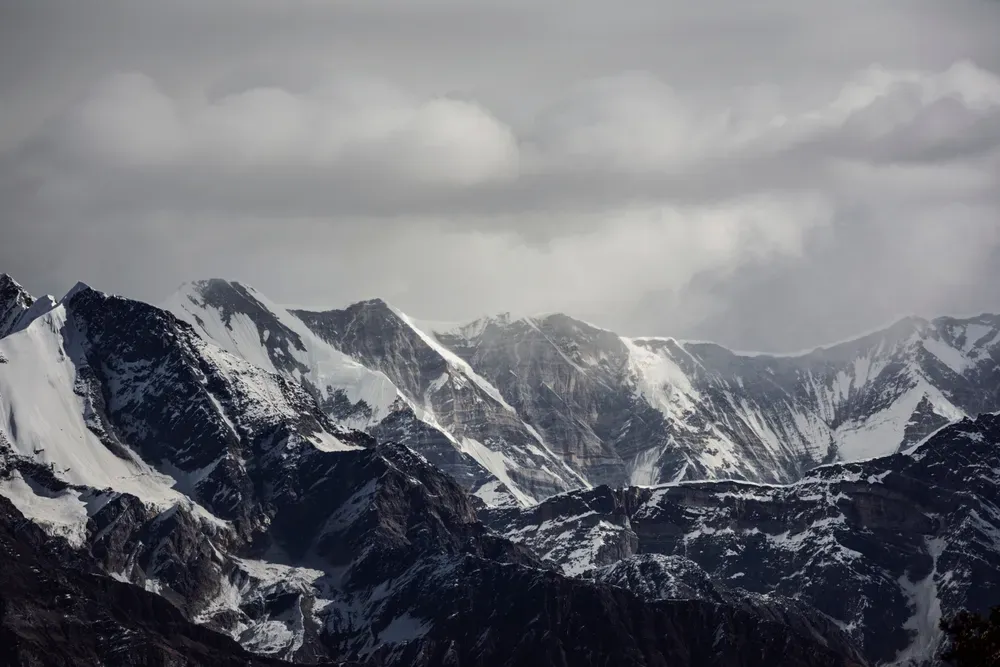
This is where Brahmatal truly shines. Standing on the summit ridge with massive Himalayan peaks right in front of you is unforgettable. On clear days, the light hits Trishul’s face perfectly, and you understand why people fall in love with winter trekking here.
Permits, Forest Rules, and Local Guidelines
Brahmatal falls under forest jurisdiction, so permits are mandatory. It’s better to trek with a registered local operator who manages permissions, safety equipment, and forest guidelines responsibly.
Essential Packing List for Brahmatal in February
-
Down jacket and fleece layers
-
Thermal base layers
-
Waterproof gloves and socks
-
Microspikes and gaiters
-
UV-protected sunglasses
-
Sunscreen and lip balm
Packing right can make or break a February trek.
Food, Accommodation, and Campsites
Camps are usually twin-sharing tents with sleeping bags rated for sub-zero temperatures. Meals are hot, filling, and carb-heavy—exactly what your body needs in cold conditions. Expect simple but comforting food.
Guided vs Independent Trek: My Honest Take
Technically, you could try planning it independently, but February is not the month to experiment. Snow conditions change fast, and route finding can be tricky after fresh snowfall. A guided trek removes unnecessary stress and lets you focus on the experience.
Why I Prefer Trekking with Experienced Local Teams
Over the years, I’ve noticed that teams like The Searching Souls quietly do things right. They’re local, understand winter safety well, and keep group sizes manageable. For anyone considering the Brahmatal trek, trekking with people like them adds a layer of confidence in February without making the experience feel commercial or rushed.
Safety Tips for Brahmatal Trek in February
-
Always follow your trek leader’s instructions
-
Stay hydrated even in cold weather
-
Protect exposed skin from sun and wind
-
Don’t skip acclimatization
Winter trekking rewards discipline.
Final Thoughts
Brahmatal Trek February is for those who want real snow, real silence, and real Himalayan views—without technical climbing. It’s challenging enough to feel rewarding and comfortable enough for beginners who prepare well. If winter trekking is on your list, Brahmatal deserves a top spot.
0 Comments:
Leave a Reply