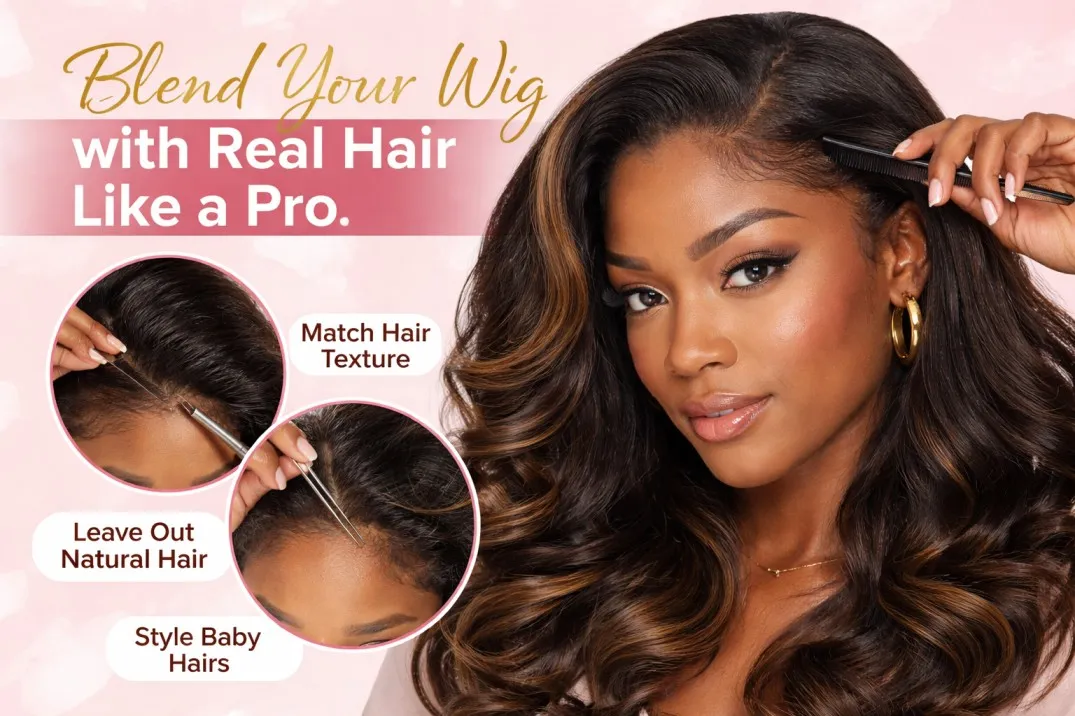
Blend Your Wig with Real Hair Like a Pro
-

- by ashishverma,
- March 03, 2026
- in lifestyle,
Wearing a wig isn’t just about putting it on and heading out the door. The real magic happens when your wig blends seamlessly with your natural hair, creating a flawless and undetectable look. Whether you’re new to wigs or have been wearing them for years, mastering the art of blending can transform your appearance from “wearing a wig” to “naturally stunning hair.”
Blending your wig with real hair like a pro requires the right preparation, smart styling techniques, and attention to detail. With a few professional tricks and consistent practice, you can achieve a natural finish that looks effortless and polished in any setting.
Why Proper Wig Blending Matters
A well-blended wig looks natural because it mimics the way real hair grows and moves. When a wig doesn’t blend properly, the hairline may look harsh, the texture may seem mismatched, or the wig may sit unnaturally on the head. Proper blending ensures:
-
A natural-looking hairline
-
Seamless texture transition
-
Realistic volume and density
-
Greater confidence in everyday wear
For many wig wearers in the United States, blending is especially important because wigs are worn in diverse climates, from humid summers to dry winters. A properly blended wig holds up better in different environments and maintains a natural appearance throughout the day.
Start with the Right Wig Choice
Blending begins before you even put the wig on. Choosing a wig that closely matches your natural hair texture and color makes the entire process easier.
Match the Hair Texture
If your natural hair is straight, wavy, or curly, your wig should reflect a similar pattern. Trying to blend silky straight hair with tight curls can make the difference obvious.
Choose a Compatible Color
Your wig color doesn’t have to be identical to your natural hair, but it should complement it. If you plan to leave some of your real hair out, the shades should be close enough to blend without a visible line of contrast.
Consider Density
Wigs that are too thick can look unnatural. Choosing a density similar to your natural hair helps the wig blend seamlessly.
Prepare Your Natural Hair Properly
Proper preparation of your real hair is the foundation of a natural blend.
Keep Hair Flat
Braiding your hair or wrapping it flat against your scalp creates a smooth base. A bulky base can cause the wig to sit unevenly.
Smooth the Edges
Your natural hairline is one of the most visible areas. Use a light styling product to smooth baby hairs and edges for a natural transition.
Protect Your Hair
Use a wig cap to keep your hair secure and protected. A wig cap also helps create a uniform surface for better blending.
Perfect the Hairline
The hairline is the most important part of blending a wig with real hair. Even the highest-quality wig can look unnatural if the hairline isn’t properly blended.
Adjust the Wig Position
Place the wig slightly behind your natural hairline for a more realistic appearance. Pulling the wig too far forward often makes it look artificial.
Customize the Hairline
Tweezing the wig’s hairline slightly can make it look more natural by reducing bulk and creating a gradual transition.
Use Baby Hairs
Styling small sections of hair along the hairline can soften the edge and create a realistic finish.
Blend with Leave-Out Hair
Leaving out a small portion of your natural hair is one of the most effective blending techniques.
Blend at the Front
Leave out a thin section of hair near the front hairline and style it to match the wig. This helps disguise where the wig begins.
Blend at the Part
If your wig has a visible part, blending a small amount of your real hair along the part line can make it look more natural.
Match the Style
Use a flat iron or curling wand to match your natural hair to the wig’s texture.
Use Heat Styling Carefully
Heat styling can help your real hair and wig look like one cohesive style.
-
Straighten both your wig and natural hair together for consistency
-
Curl small sections to match patterns
-
Avoid excessive heat to protect both hair types
Always use heat protectant products to maintain the quality of both your wig and natural hair.
Trim and Shape for a Natural Look
Most wigs benefit from a little customization. A professional-looking blend often comes down to shaping the wig to suit your face and natural hair.
Trim the Ends
Slightly trimming the ends can remove bulk and create a softer finish.
Add Layers
Layers help the wig move naturally and blend with your real hair.
Shape Around the Face
Face-framing layers can make the wig look more realistic and flattering.
Style for Seamless Integration
Styling plays a huge role in blending your wig with your real hair.
Try Soft Waves
Loose waves help hide transitions between natural hair and the wig.
Use Accessories
Headbands, scarves, and clips can help disguise the wig line while adding style.
Adjust Volume
Teasing or flattening certain areas can help balance the wig with your natural hair density.
Maintain Your Wig and Natural Hair
Blending isn’t just about styling—it’s also about maintenance.
Keep Hair Clean
Clean hair blends better. Wash both your wig and natural hair regularly.
Moisturize Your Hair
Healthy hair blends more naturally and styles more easily.
Store Wigs Properly
Proper storage helps wigs maintain their shape and style.
Common Blending Mistakes to Avoid
Even experienced wig wearers can make blending mistakes. Avoid these common issues:
-
Choosing the wrong texture
-
Ignoring the hairline
-
Using too much product
-
Wearing the wig too far forward
-
Skipping customization
Small adjustments can make a big difference in achieving a natural look.
Pro Tips for a Flawless Finish
Professional stylists often use these tricks for perfect blending:
-
Use a tail comb for precise parting
-
Apply lightweight styling products
-
Blend in natural lighting
-
Check your look from multiple angles
-
Practice different styles
The more you practice blending techniques, the more natural your wig will look.
Confidence Is Key
Even the most perfectly blended wig won’t shine without confidence. When you feel good about your hair, it shows in your posture and attitude. Blending your wig like a pro isn’t just about technique—it’s about feeling comfortable and confident in your look.
With the right wig, proper preparation, and a few professional tricks, you can achieve a seamless blend that looks completely natural in any situation.
Frequently Asked Questions (FAQ)
How do I make my wig look natural at the hairline?
You can make your wig look natural by positioning it slightly behind your natural hairline, trimming excess lace if needed, and blending baby hairs along the edges.
Can I leave my real hair out when wearing a wig?
Yes, leaving out a small portion of your natural hair can help create a seamless blend, especially around the hairline and part.
What type of wig is best for blending with real hair?
Wigs that closely match your natural hair texture and color are best for blending. Human hair wigs are often easier to blend than synthetic ones.
How do I match my wig to my natural hair texture?
You can match textures by choosing a similar wig style or using heat tools to style your natural hair to match the wig.
Do I need to cut my wig to blend it properly?
Not always, but trimming and adding layers can make a wig look more natural and help it blend better with your real hair.
How can I make a thick wig look more natural?
You can reduce thickness by thinning the wig slightly, adding layers, or styling it to better match your natural hair density.
Is it okay to wear a wig every day?
Yes, you can wear a wig daily as long as you take care of both your wig and your natural hair by keeping them clean and moisturized.
0 Comments:
Leave a Reply