Best Treks in March in India: Weather, Routes & Practical Tips
-

- by shubhamagarwal,
- February 20, 2026
- in travel,
March is one of my favorite months to trek in India. The snow is still there in higher altitudes, flowers begin to bloom in some regions, and the weather is far more stable than peak winter. It’s that sweet spot between freezing temperatures and heavy summer crowds.
If you’re planning a Himalayan adventure, here are the best treks in March in India, along with what the weather feels like, route highlights, and practical tips I’ve learned the hard way.
Why I Prefer Trekking in March
March gives me the best of both worlds—snow trails and clear skies. January and February can be harsh, especially for beginners. By March:
-
Snow starts softening at moderate altitudes
-
Days are longer and sunnier
-
Nights are cold but manageable
-
Fewer landslides compared to monsoon
-
Rhododendrons begin to bloom in some regions
In short, it’s challenging—but not brutal.
Weather Conditions in March in Indian Himalayas
Before choosing a trek, I always check the altitude. Weather changes dramatically above 10,000 ft.
Here’s a rough idea:
| Altitude | Day Temperature | Night Temperature |
|---|---|---|
| 6,000–8,000 ft | 8°C to 15°C | 0°C to 5°C |
| 8,000–11,000 ft | 5°C to 10°C | -5°C to 0°C |
| 11,000+ ft | 0°C to 8°C | -10°C to -5°C |
Snow is common above 9,000 ft. Expect icy patches in early mornings.
Best Treks in March in India
1. Kedarkantha Trek (Uttarakhand)
If someone asks me for a perfect snow trek in March, I say Kedarkantha.
Why in March?
You still get snow trails and a white summit view, but the biting January cold is gone.
Altitude: 12,500 ft
Duration: 5–6 days
Difficulty: Easy to Moderate
The summit climb is steep but rewarding. On clear mornings, I could see Swargarohini and Bandarpoonch peaks shining in golden light.
It’s beginner-friendly but still feels adventurous.
2. Brahmatal Trek (Uttarakhand)
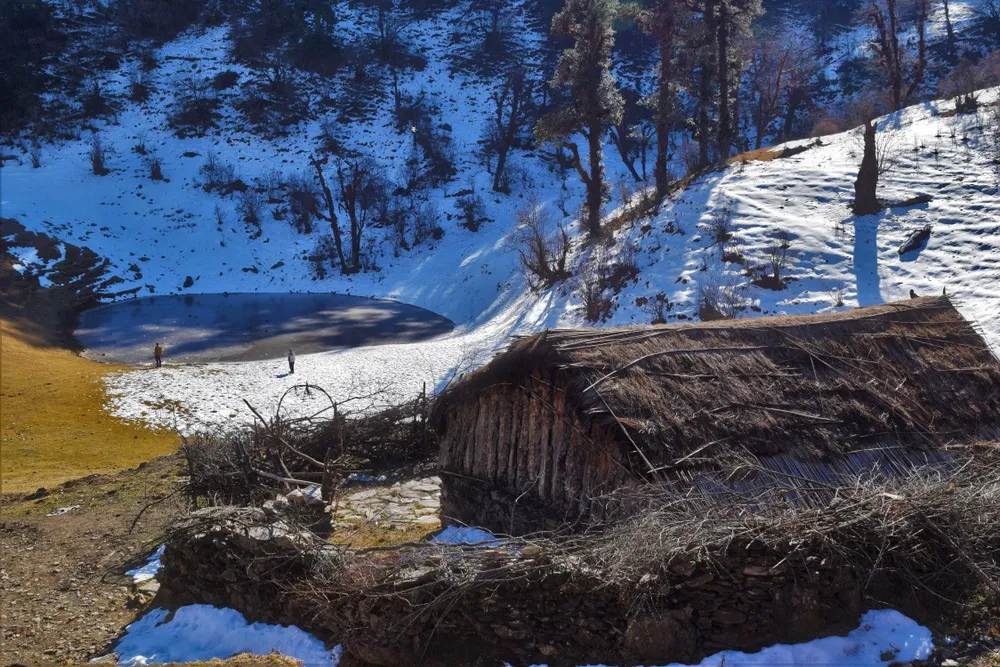
Brahmatal in March feels surreal. Frozen lakes, snow-covered forests, and wide Himalayan views.
Altitude: 12,250 ft
Duration: 6 days
Difficulty: Moderate
What I love most is the ridge walk. The panoramic views of Mt. Trishul and Nanda Ghunti are unmatched.
March gives you fewer crowds than peak winter but still enough snow to make it magical.
3. Sandakphu Trek (West Bengal)
Sandakphu is different. It’s not extreme snow trekking, but it gives one of the best mountain views in India.
Altitude: 11,930 ft
Duration: 6–7 days
Difficulty: Moderate
On a clear March morning, I saw Everest, Lhotse, Makalu, and Kanchenjunga together. That sight alone makes this trek worth it.
March is perfect here because rhododendrons begin blooming, adding color to the trail.
4. Har Ki Dun Trek (Uttarakhand)
Har Ki Dun in March is ideal if you want snow without extreme summit climbs.
Altitude: 12,000 ft
Duration: 7 days
Difficulty: Moderate
The valley remains partly snow-covered, but the gradual trail makes it manageable. The villages along the way give a cultural touch that most high-altitude treks lack.
5. Triund Trek (Himachal Pradesh)
If you’re short on time, Triund works.
Altitude: 9,350 ft
Duration: 2 days
Difficulty: Easy
March brings clear skies and crisp air. It’s not as snowy as higher treks, but the Dhauladhar range looks sharp and dramatic.
Great for beginners.
Route Planning Tips for March Treks
Here’s what I personally follow:
1. Start Early in the Day
Snow hardens overnight and melts later. Early starts mean safer footing.
2. Always Carry Microspikes
Even if the trail looks clear, shaded patches stay icy.
3. Layering is Everything
I never rely on one thick jacket. My go-to layering:
-
Base thermal
-
Fleece layer
-
Down jacket
-
Waterproof shell
4. Hydrate More Than You Think
Cold weather reduces thirst. I force myself to drink water regularly.
5. Acclimatization Matters
Even moderate treks cross 10,000 ft. Don’t rush.
Should You Go Solo or With a Group?
I’ve done both.
For March treks, especially snow ones, I prefer going with a structured group or experienced organizers. Snow navigation and weather changes can get tricky.
I’ve noticed that some trekking groups manage logistics much better—especially when it comes to permits, safety briefings, and proper acclimatization planning.
For example, I’ve seen people trek with Searching Souls, and what stood out wasn’t flashy marketing—it was how smoothly things were managed on the ground. Camps were well organized, guides were experienced locals, and safety briefings were clear. It didn’t feel commercial or rushed. That kind of coordination makes a difference in March conditions.
Whether you choose them or another group, just make sure:
-
The team has experienced trek leaders
-
They carry medical kits
-
They don’t skip acclimatization
What to Pack for March Treks in India
Here’s my no-nonsense checklist:
Clothing
-
2 thermal sets
-
1 fleece jacket
-
1 down jacket
-
Waterproof outer layer
-
Trekking pants (2 pairs)
-
Wool socks (3–4 pairs)
-
Gloves (inner + waterproof outer)
-
Wool cap + sun cap
Gear
-
Trekking shoes (water-resistant)
-
Microspikes
-
40–50L backpack
-
Sunglasses (UV protection)
-
Sunscreen SPF 50+
-
Lip balm
-
Headlamp
Snow glare is real. Don’t skip sunglasses.
Fitness Preparation
March treks are not casual walks. I prepare at least 3–4 weeks before:
-
5 km brisk walk or jog daily
-
Stair climbing (10–15 floors without stopping)
-
Squats and lunges
-
Light backpack training
Cardio matters more than muscle.
Common Mistakes I’ve Seen in March
-
Underestimating cold nights
-
Ignoring hydration
-
Wearing cotton clothes
-
Skipping warm-up exercises
-
Overpacking
Keep it simple and functional.
Final Thoughts on Best Treks in March in India
If you ask me when to trek in India, March is always near the top of my list. It gives you snow without extreme winter brutality, clear skies without monsoon risk, and manageable crowds.
Whether it’s Kedarkantha’s snowy summit, Brahmatal’s frozen lakes, or Sandakphu’s giant Himalayan views—March delivers.
Plan well, train properly, choose reliable organizers, and respect the mountains.
The Himalayas don’t reward carelessness—but they reward preparation.
0 Comments:
Leave a Reply